Ocellated Dragonet (Neosynchiropus Ocellatus)
Ocellated Dragonet (Neosynchiropus ocellatus)
The Ocellated Dragonet, also known as the Scooter Blenny (though it is technically a Dragonet, not a blenny), is a charming, bottom-dwelling specialist. While its cousins, the Mandarin Dragonets, are famous for their psychedelic neon colors, the Ocellated Dragonet offers a more subtle, camouflaged beauty with a highly interactive "hopping" personality. It is a peaceful, fascinating addition to a mature reef, but it comes with a significant dietary warning.
Key Information
-
Common Names: Ocellated Dragonet, Scooter Blenny, Starry Dragonet
-
Scientific Name: Neosynchiropus ocellatus
-
Origin: Indo-West Pacific (Japan to the Marquesas Islands)
-
Max Size: 8 cm (approx. 3 inches)
-
Lifespan: 3–5 years
-
Temperament: Peaceful; safe with almost all non-aggressive fish
-
Diet: Carnivore – Specialist in live "pods" (copepods)
-
Care Level: Difficult (due to feeding requirements)
Appearance & Identification
The Ocellated Dragonet is a master of "sandy" camouflage:
-
The Pattern: A complex mottled pattern of brown, white, and tan spots that allows it to blend perfectly with substrate and rubble.
-
The "Ocelli": Males feature a spectacular, large dorsal fin decorated with bright "eye spots" (ocelli) and blue-to-yellow markings, which they flare up like a sail during courtship or territory displays.
-
The Body: They have a flattened underside and large, fan-like pectoral fins that they use to "scoot" along the bottom of the tank.
The "Expert" Warning: Feeding
The primary challenge with this fish is its metabolism:
-
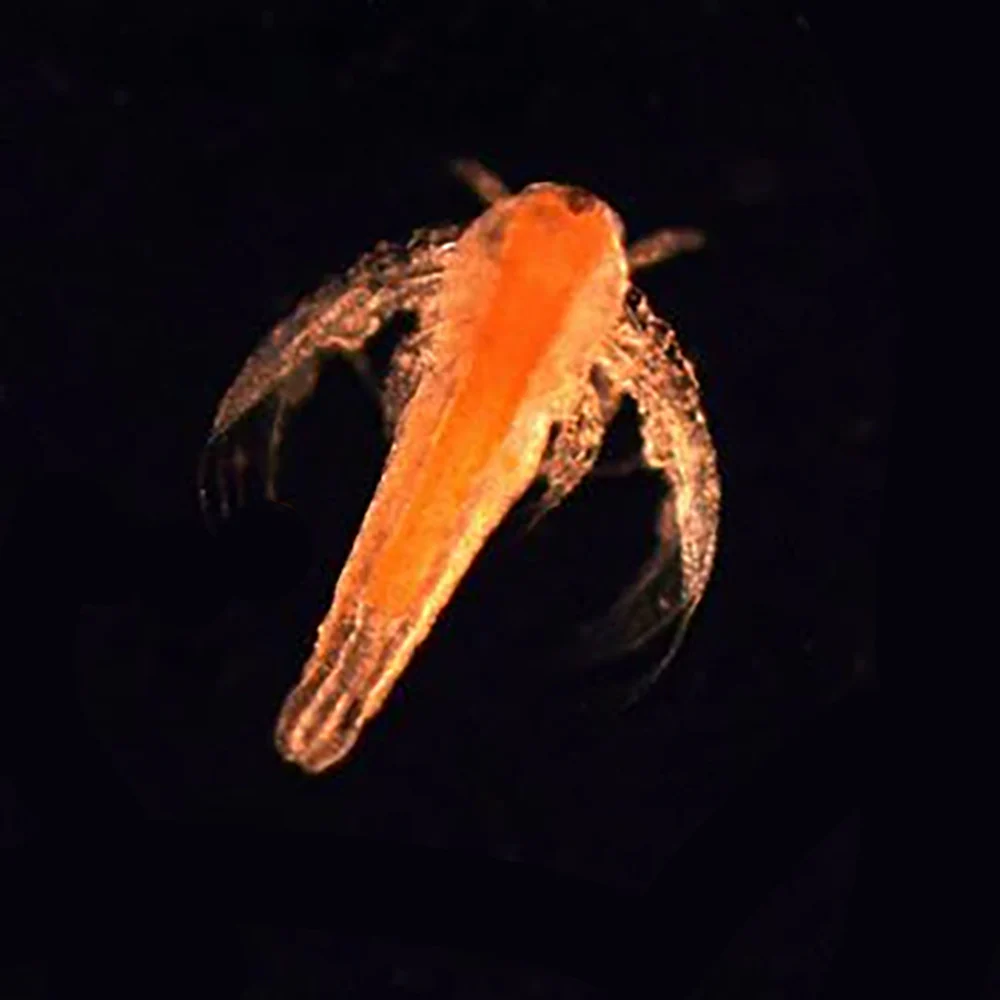
Copepod Dependency: In the wild, they eat thousands of tiny copepods a day. They are "constant grazers" and rarely recognize frozen or flake food as "real" food.
-
Starvation Risk: Most Dragonets that die in captivity do so because they slowly starve to death. You cannot rely on "leftover" fish food to keep them alive.
-
The "Pod" Check: You should only add this fish to a mature reef tank (6–12 months old) with a visible, thriving population of pods on the glass and rocks.
Behaviour & Tank Compatibility
-
The "Scooter": They don't swim in open water. They move in short, jerky bursts across the sand and rocks, much like a hovercraft.
-
Reef Safe: 100% Reef Safe. They will never touch corals, clams, or ornamental shrimp.
-
Social Structure: Best kept singly or in a mated pair. Males will fight each other relentlessly for territory.
-
Tank Mates: Must be kept with peaceful, non-competitive fish. Avoid keeping them with "pod-competitors" like Six-line Wrasses or Leopard Wrasses unless the tank is massive, as those fish will eat all the Dragonet's food.
Ideal Tank Setup
-
Tank Size: A minimum of 115L (30 Gallons). While the fish is small, it needs a large amount of rock surface area to produce enough food.
-
Rockwork: Provide plenty of live rock and rubble. This is where their food (copepods) lives and breeds.
-
Refugium: A dedicated refugium (a separate area to grow pods) is highly recommended to ensure a 24/7 food supply.
-
Substrate: They prefer a fine sand bed which they sift through for tiny micro-crustaceans.
Why Choose the Ocellated Dragonet?
The Ocellated Dragonet is for the hobbyist who values subtle behavior and biological diversity. It is a rewarding "specialist" that acts as a sign of a healthy, functioning ecosystem.

Description
Ocellated Dragonet (Neosynchiropus ocellatus)
The Ocellated Dragonet, also known as the Scooter Blenny (though it is technically a Dragonet, not a blenny), is a charming, bottom-dwelling specialist. While its cousins, the Mandarin Dragonets, are famous for their psychedelic neon colors, the Ocellated Dragonet offers a more subtle, camouflaged beauty with a highly interactive "hopping" personality. It is a peaceful, fascinating addition to a mature reef, but it comes with a significant dietary warning.
Key Information
-
Common Names: Ocellated Dragonet, Scooter Blenny, Starry Dragonet
-
Scientific Name: Neosynchiropus ocellatus
-
Origin: Indo-West Pacific (Japan to the Marquesas Islands)
-
Max Size: 8 cm (approx. 3 inches)
-
Lifespan: 3–5 years
-
Temperament: Peaceful; safe with almost all non-aggressive fish
-
Diet: Carnivore – Specialist in live "pods" (copepods)
-
Care Level: Difficult (due to feeding requirements)
Appearance & Identification
The Ocellated Dragonet is a master of "sandy" camouflage:
-
The Pattern: A complex mottled pattern of brown, white, and tan spots that allows it to blend perfectly with substrate and rubble.
-
The "Ocelli": Males feature a spectacular, large dorsal fin decorated with bright "eye spots" (ocelli) and blue-to-yellow markings, which they flare up like a sail during courtship or territory displays.
-
The Body: They have a flattened underside and large, fan-like pectoral fins that they use to "scoot" along the bottom of the tank.
The "Expert" Warning: Feeding
The primary challenge with this fish is its metabolism:
-
Copepod Dependency: In the wild, they eat thousands of tiny copepods a day. They are "constant grazers" and rarely recognize frozen or flake food as "real" food.
-
Starvation Risk: Most Dragonets that die in captivity do so because they slowly starve to death. You cannot rely on "leftover" fish food to keep them alive.
-
The "Pod" Check: You should only add this fish to a mature reef tank (6–12 months old) with a visible, thriving population of pods on the glass and rocks.
Behaviour & Tank Compatibility
-
The "Scooter": They don't swim in open water. They move in short, jerky bursts across the sand and rocks, much like a hovercraft.
-
Reef Safe: 100% Reef Safe. They will never touch corals, clams, or ornamental shrimp.
-
Social Structure: Best kept singly or in a mated pair. Males will fight each other relentlessly for territory.
-
Tank Mates: Must be kept with peaceful, non-competitive fish. Avoid keeping them with "pod-competitors" like Six-line Wrasses or Leopard Wrasses unless the tank is massive, as those fish will eat all the Dragonet's food.
Ideal Tank Setup
-
Tank Size: A minimum of 115L (30 Gallons). While the fish is small, it needs a large amount of rock surface area to produce enough food.
-
Rockwork: Provide plenty of live rock and rubble. This is where their food (copepods) lives and breeds.
-
Refugium: A dedicated refugium (a separate area to grow pods) is highly recommended to ensure a 24/7 food supply.
-
Substrate: They prefer a fine sand bed which they sift through for tiny micro-crustaceans.
Why Choose the Ocellated Dragonet?
The Ocellated Dragonet is for the hobbyist who values subtle behavior and biological diversity. It is a rewarding "specialist" that acts as a sign of a healthy, functioning ecosystem.