Live Rotifers
Live Rotifers
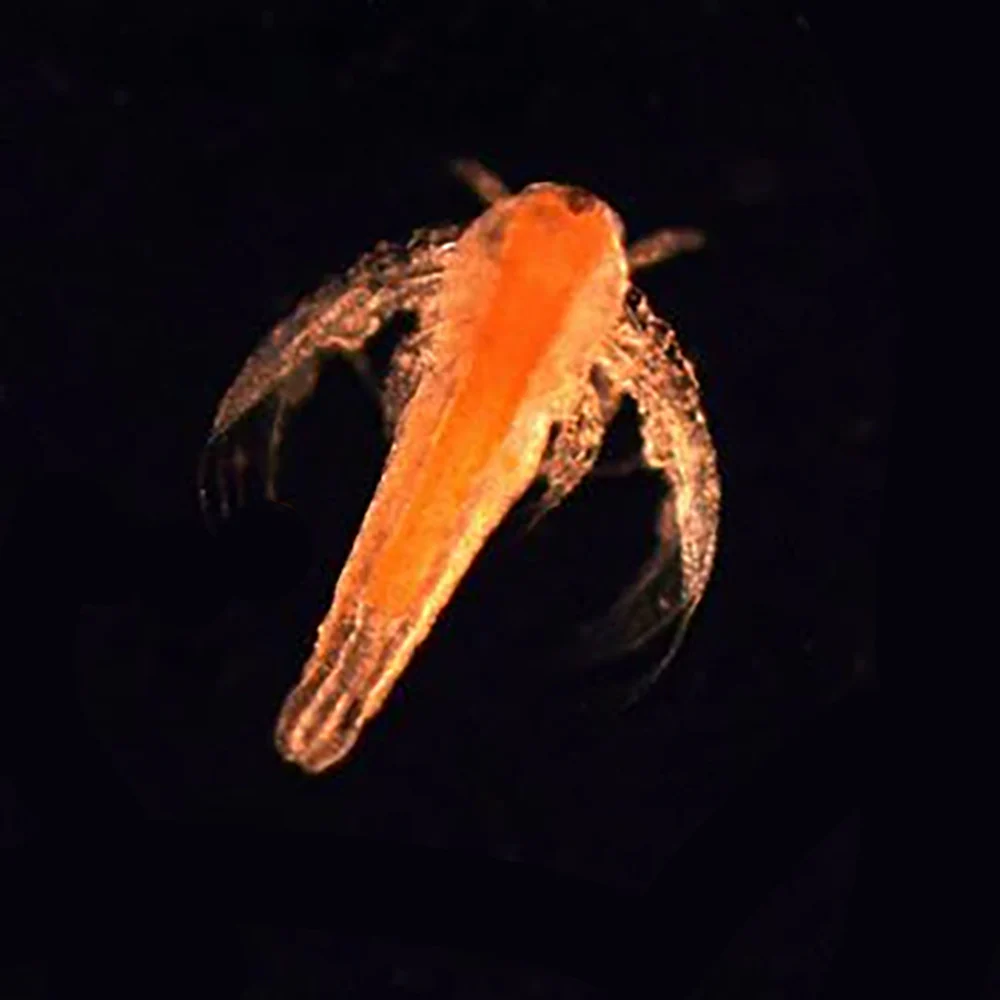
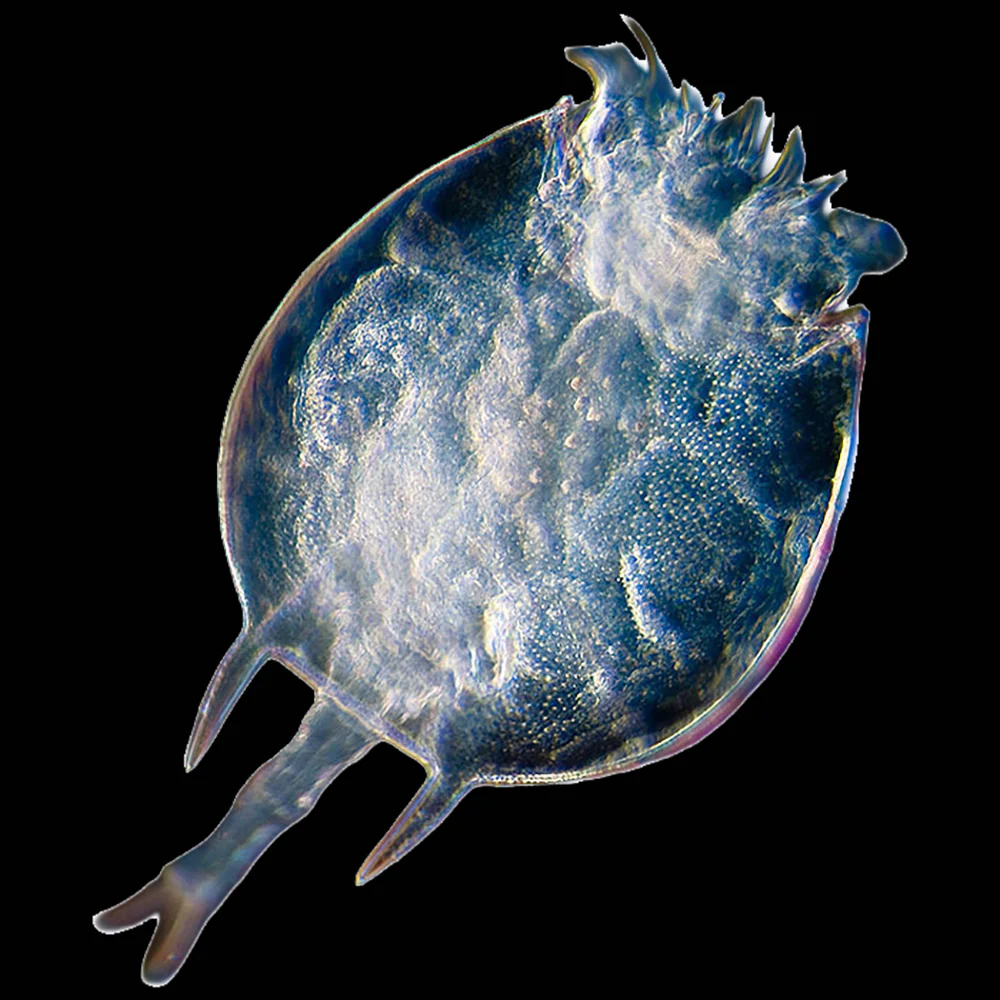
Live rotifers are microscopic zooplankton widely used in marine aquaculture and reef systems as a first-stage live food. Their tiny size and constant movement make them ideal for feeding small-mouthed fish larvae, filter feeders, and certain corals.
Why Use Live Rotifers?
1. Perfect Size for Small Feeders
Rotifers are extremely small—making them suitable for:
-
Fish larvae
-
Newly hatched fry
-
Small-polyp corals
-
Filter-feeding invertebrates
They are often the first live food offered in breeding programs before transitioning to larger prey like baby brine shrimp or copepods.
2. Excellent Enrichment Potential
Rotifers reflect the nutrition of what they eat. When fed high-quality phytoplankton (such as DHA-rich species), they become highly nutritious carriers of:
-
Omega-3 fatty acids (DHA & EPA)
-
Pigments
-
Vitamins
Because they digest quickly, they should be enriched shortly before feeding to ensure peak nutritional value.
3. Continuous Live Prey Availability
In reef tanks, live rotifers can remain suspended in the water column for extended periods, increasing feeding opportunities for corals and planktivorous fish.
Nutritional Considerations
Unenriched rotifers are relatively low in essential fatty acids. For best results:
-
Enrich with quality phytoplankton prior to feeding
-
Rinse gently before adding to display tanks
-
Use promptly after enrichment
Properly enriched rotifers are one of the most important live feeds in marine larviculture.
Best Uses in Reef Aquariums
-
Feeding fish larvae and fry
-
Supporting non-photosynthetic corals
-
Target feeding small-polyp corals
-
Enhancing planktonic biodiversity
Live rotifers are a cornerstone of marine breeding and advanced reef nutrition. When used alongside phytoplankton and other live feeds, they help establish a dynamic, natural micro-food web within the aquarium.
Description
Live Rotifers
Live rotifers are microscopic zooplankton widely used in marine aquaculture and reef systems as a first-stage live food. Their tiny size and constant movement make them ideal for feeding small-mouthed fish larvae, filter feeders, and certain corals.
Why Use Live Rotifers?
1. Perfect Size for Small Feeders
Rotifers are extremely small—making them suitable for:
-
Fish larvae
-
Newly hatched fry
-
Small-polyp corals
-
Filter-feeding invertebrates
They are often the first live food offered in breeding programs before transitioning to larger prey like baby brine shrimp or copepods.
2. Excellent Enrichment Potential
Rotifers reflect the nutrition of what they eat. When fed high-quality phytoplankton (such as DHA-rich species), they become highly nutritious carriers of:
-
Omega-3 fatty acids (DHA & EPA)
-
Pigments
-
Vitamins
Because they digest quickly, they should be enriched shortly before feeding to ensure peak nutritional value.
3. Continuous Live Prey Availability
In reef tanks, live rotifers can remain suspended in the water column for extended periods, increasing feeding opportunities for corals and planktivorous fish.
Nutritional Considerations
Unenriched rotifers are relatively low in essential fatty acids. For best results:
-
Enrich with quality phytoplankton prior to feeding
-
Rinse gently before adding to display tanks
-
Use promptly after enrichment
Properly enriched rotifers are one of the most important live feeds in marine larviculture.
Best Uses in Reef Aquariums
-
Feeding fish larvae and fry
-
Supporting non-photosynthetic corals
-
Target feeding small-polyp corals
-
Enhancing planktonic biodiversity
Live rotifers are a cornerstone of marine breeding and advanced reef nutrition. When used alongside phytoplankton and other live feeds, they help establish a dynamic, natural micro-food web within the aquarium.