Kuiter Wrasse (Macropharyngodon Kuiteri)
Kuiter’s Leopard Wrasse (Macropharyngodon kuiteri)
The Kuiter’s Leopard Wrasse, also known as the Kuiter’s Wrasse or Orange-leopard Wrasse, is a rare and prestigious member of the Macropharyngodon family. Unlike the more common Green Leopard Wrasse, the Kuiter’s is a deep-water specialist typically found in the subtropical waters of the Southwestern Pacific. It is highly prized by connoisseurs for its unique "honey-comb" pattern and its slightly more robust stature compared to other Leopard Wrasses.
Key Information
-
Common Names: Kuiter’s Leopard Wrasse, Kuiter’s Wrasse, Black-leopard Wrasse
-
Scientific Name: Macropharyngodon kuiteri
-
Origin: Southwestern Pacific (Eastern Australia, New Caledonia, and Vanuatu)
-
Max Size: 10–12 cm (approx. 4–5 inches)
-
Lifespan: 5–8 years
-
Temperament: Very Peaceful; shy and easily stressed
-
Diet: Carnivore – Specialist in hunting benthic "pods"
-
Care Level: Expert Only
Appearance & Identification
The Kuiter’s Wrasse features a sophisticated, warmer color palette than its cousins:
-
The Pattern: Females and juveniles have a pearly-white to pale-yellow base covered in a dense, uniform grid of dark orange-to-black spots. This creates a beautiful "beaded" or "honeycomb" look.
-
The Mask: Features intricate neon-blue and orange scribbles on the face, which become much more pronounced as the fish matures.
-
Adult Males: When transitioning to male, the colors shift toward a deep olive or blackish-green, with neon-blue highlights on the edges of the scales and fins.
-
Eye Detail: Look for a distinct black spot on the operculum (gill cover), often rimmed in blue or gold.
Behaviour & Tank Compatibility
-
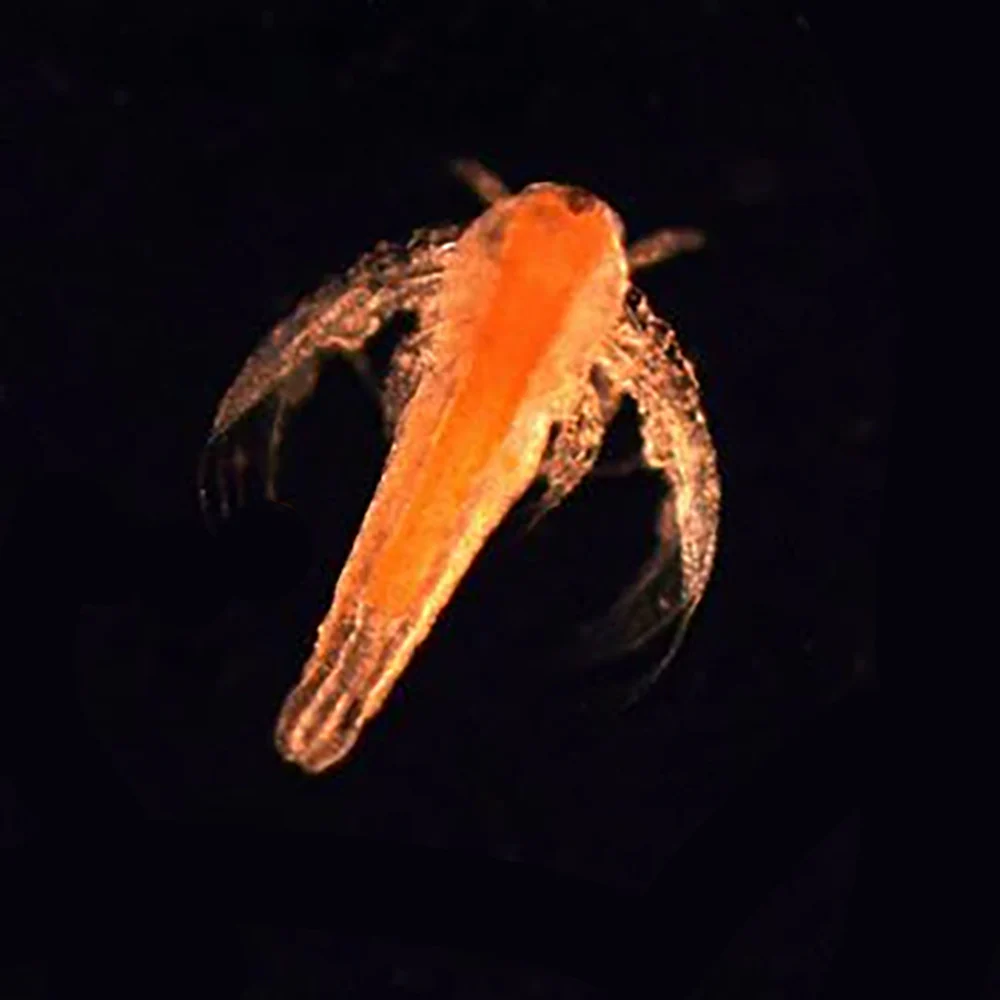
The Delicate Hunter: Like all Leopard Wrasses, this fish is a micro-predator. It will spend its entire day methodically picking at the rocks and sand for copepods and amphipods.
-
Deep-Water Sensitivities: Because they are found at depths of 20–50 meters, they are sensitive to high temperatures and intense lighting. They prefer a cooler, stable environment.
-
Sand Sleeping: This fish requires a sand bed to survive. It dives into the sand at the first sign of danger and for its nightly rest.
-
Reef Safe: 100% Reef Safe. They are arguably the safest and most beneficial "cleaners" for a high-end SPS reef.
-
Tank Mates: Must be kept with ultra-peaceful fish. They will not compete well for food against aggressive eaters like large Tangs or boisterous Wrasses.
Ideal Tank Setup
-
Substrate (Non-Negotiable): A minimum of 3–4 inches of fine, sugar-sized aragonite sand. Coarse substrate will cause physical trauma to the fish's mouth and skin, leading to fatal infections.
-
Tank Maturity: Never add this fish to a new tank. It requires a system that has been running for at least 6–12 months with a massive, self-sustaining copepod population.
-
Temperature: They prefer slightly cooler reef temperatures, ideally 23°C–25°C (74°F–77°F).
-
Lid: Like all wrasses, they are agile jumpers. A tight-fitting mesh lid is mandatory.
Dietary Challenges
This is the "Expert" part of their care:
-
Live Food Dependency: Many Kuiter's Wrasses will initially refuse frozen food. You must be prepared to "seed" the tank with live copepods regularly until the fish learns to accept frozen mysis or cyclops.
-
High Metabolism: They need to eat constantly. If you don't have a large refugium to provide a 24/7 snack bar, they may slowly waste away.
Why Choose the Kuiter’s Wrasse?
The Kuiter’s Wrasse is for the "advanced developer" of the reef world. It is a rare, subtle, and incredibly rewarding species that acts as a signal of a truly healthy and mature aquarium ecosystem.

Description
Kuiter’s Leopard Wrasse (Macropharyngodon kuiteri)
The Kuiter’s Leopard Wrasse, also known as the Kuiter’s Wrasse or Orange-leopard Wrasse, is a rare and prestigious member of the Macropharyngodon family. Unlike the more common Green Leopard Wrasse, the Kuiter’s is a deep-water specialist typically found in the subtropical waters of the Southwestern Pacific. It is highly prized by connoisseurs for its unique "honey-comb" pattern and its slightly more robust stature compared to other Leopard Wrasses.
Key Information
-
Common Names: Kuiter’s Leopard Wrasse, Kuiter’s Wrasse, Black-leopard Wrasse
-
Scientific Name: Macropharyngodon kuiteri
-
Origin: Southwestern Pacific (Eastern Australia, New Caledonia, and Vanuatu)
-
Max Size: 10–12 cm (approx. 4–5 inches)
-
Lifespan: 5–8 years
-
Temperament: Very Peaceful; shy and easily stressed
-
Diet: Carnivore – Specialist in hunting benthic "pods"
-
Care Level: Expert Only
Appearance & Identification
The Kuiter’s Wrasse features a sophisticated, warmer color palette than its cousins:
-
The Pattern: Females and juveniles have a pearly-white to pale-yellow base covered in a dense, uniform grid of dark orange-to-black spots. This creates a beautiful "beaded" or "honeycomb" look.
-
The Mask: Features intricate neon-blue and orange scribbles on the face, which become much more pronounced as the fish matures.
-
Adult Males: When transitioning to male, the colors shift toward a deep olive or blackish-green, with neon-blue highlights on the edges of the scales and fins.
-
Eye Detail: Look for a distinct black spot on the operculum (gill cover), often rimmed in blue or gold.
Behaviour & Tank Compatibility
-
The Delicate Hunter: Like all Leopard Wrasses, this fish is a micro-predator. It will spend its entire day methodically picking at the rocks and sand for copepods and amphipods.
-
Deep-Water Sensitivities: Because they are found at depths of 20–50 meters, they are sensitive to high temperatures and intense lighting. They prefer a cooler, stable environment.
-
Sand Sleeping: This fish requires a sand bed to survive. It dives into the sand at the first sign of danger and for its nightly rest.
-
Reef Safe: 100% Reef Safe. They are arguably the safest and most beneficial "cleaners" for a high-end SPS reef.
-
Tank Mates: Must be kept with ultra-peaceful fish. They will not compete well for food against aggressive eaters like large Tangs or boisterous Wrasses.
Ideal Tank Setup
-
Substrate (Non-Negotiable): A minimum of 3–4 inches of fine, sugar-sized aragonite sand. Coarse substrate will cause physical trauma to the fish's mouth and skin, leading to fatal infections.
-
Tank Maturity: Never add this fish to a new tank. It requires a system that has been running for at least 6–12 months with a massive, self-sustaining copepod population.
-
Temperature: They prefer slightly cooler reef temperatures, ideally 23°C–25°C (74°F–77°F).
-
Lid: Like all wrasses, they are agile jumpers. A tight-fitting mesh lid is mandatory.
Dietary Challenges
This is the "Expert" part of their care:
-
Live Food Dependency: Many Kuiter's Wrasses will initially refuse frozen food. You must be prepared to "seed" the tank with live copepods regularly until the fish learns to accept frozen mysis or cyclops.
-
High Metabolism: They need to eat constantly. If you don't have a large refugium to provide a 24/7 snack bar, they may slowly waste away.
Why Choose the Kuiter’s Wrasse?
The Kuiter’s Wrasse is for the "advanced developer" of the reef world. It is a rare, subtle, and incredibly rewarding species that acts as a signal of a truly healthy and mature aquarium ecosystem.