Pipefish Green (Microphis Brachyurus)
Green Pipefish (Microphis brachyurus)
The Green Pipefish, also known as the Short-tailed Pipefish, is a fascinating relative of the seahorse. Unlike many of the marine-only pipefish, this species is euryhaline, meaning it is often found in freshwater streams, estuaries, and brackish mangroves. It is a "living toothpick" that offers a completely different vertical dynamic to a specialized aquarium.
Key Information
-
Common Names: Green Pipefish, Short-tailed Pipefish, Freshwater Pipefish
-
Scientific Name: Microphis brachyurus
-
Origin: Circumtropical (found in Asia, Africa, and the Americas)
-
Max Size: 15–20 cm (approx. 6–8 inches)
-
Lifespan: 3–5 years
-
Temperament: Very Peaceful; shy and easily outcompeted
-
Diet: Carnivore – Specialist in live micro-foods
-
Care Level: Expert / Difficult
Appearance & Identification
The Green Pipefish is a master of "blade-of-grass" camouflage:
-
The Body: Extremely elongated and slender, with a rigid, armored body composed of bony plates.
-
Coloration: Typically a muted olive-to-bright green, though they can shift to a brownish hue to match their surroundings.
-
The Snout: Features a long, tubular snout with a tiny mouth at the end, designed to "snick" (suction) tiny prey out of the water.
-
Movement: They swim primarily using their tiny dorsal and pectoral fins, making them look like they are "hovering" through the water rather than swimming.
The "Expert" Warning: Feeding & Environment
This is the most critical part of their care:
-
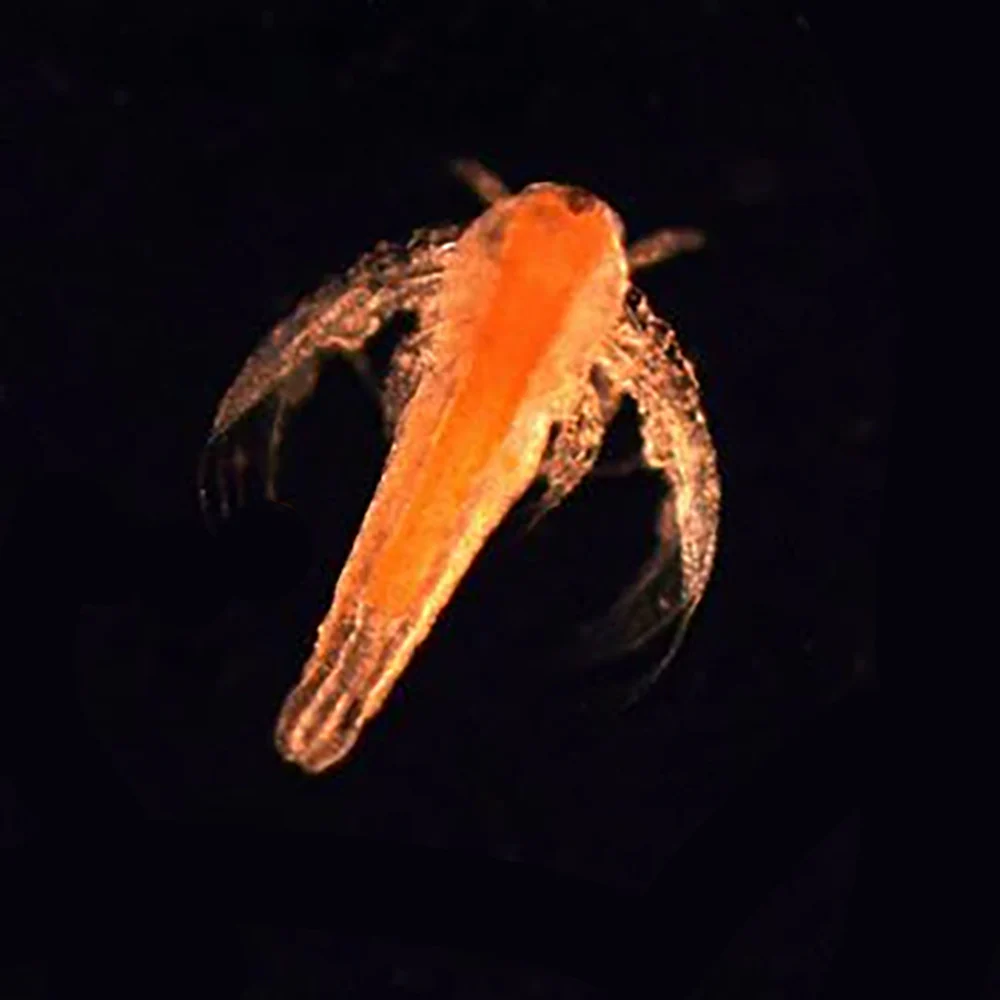
Live Food Only: Most Microphis species will refuse frozen or flake food entirely. You must provide a constant supply of live baby brine shrimp, daphnia, or copepods.
-
Low Flow: They are very weak swimmers. In a high-flow reef tank, they will be tossed around and eventually die of exhaustion. They require a "calm" environment.
-
Salinity Preference: While often sold as "freshwater," they generally thrive much better and live longer in brackish water (Specific Gravity $1.005 - 1.010$).
Behaviour & Tank Compatibility
-
The Social Hunter: They are peaceful and can be kept in groups, provided the tank is large enough to support the food requirements for all of them.
-
Reef Safe: 100% Reef Safe (with corals), but they are not suitable for a standard high-flow reef tank.
-
Tank Mates: Must be kept with ultra-peaceful fish. Excellent companions include Bumblebee Gobies, Cardinalfish, or Blue-eye Rainbowfish. Avoid any fast-moving "pigs" (like Barbs, Danios, or large Wrasses) that will eat all the food before the Pipefish can react.
Ideal Tank Setup
-
Tank Size: A minimum of 115L (30 Gallons). While they are thin, they are long and appreciate horizontal space.
-
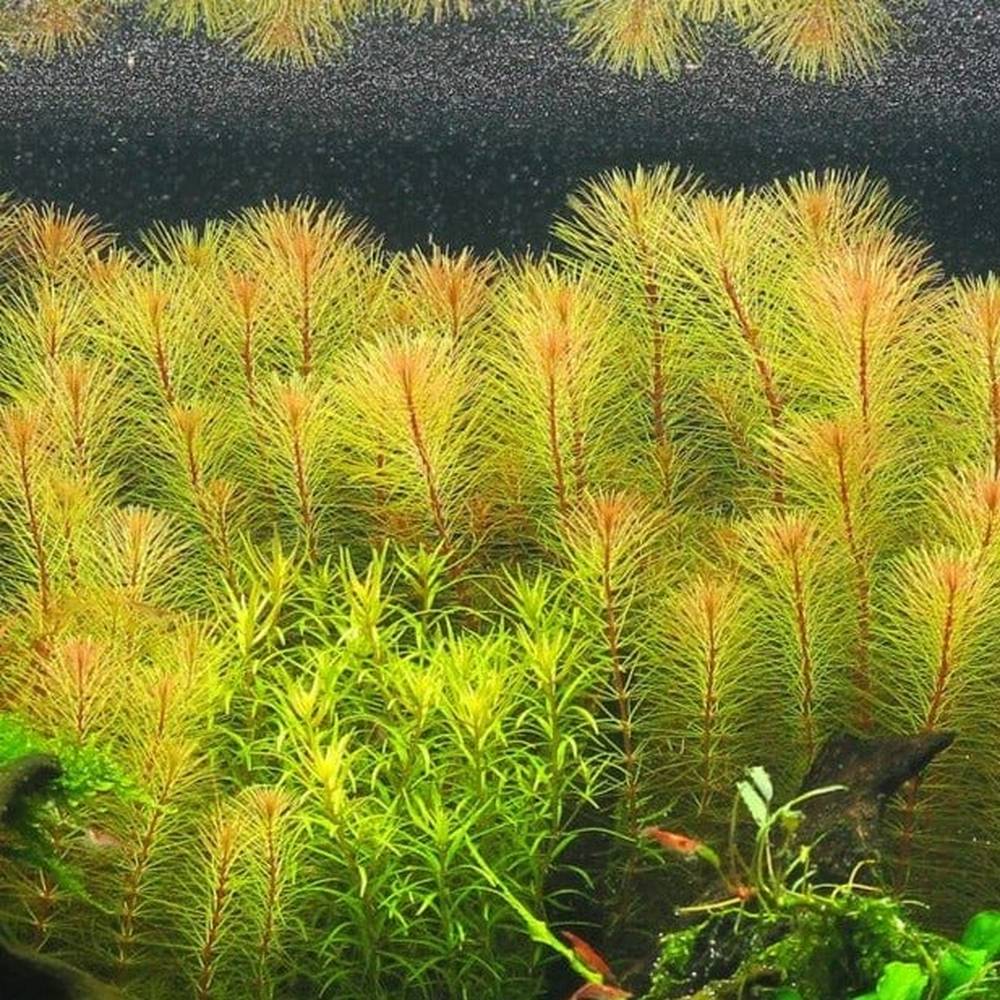
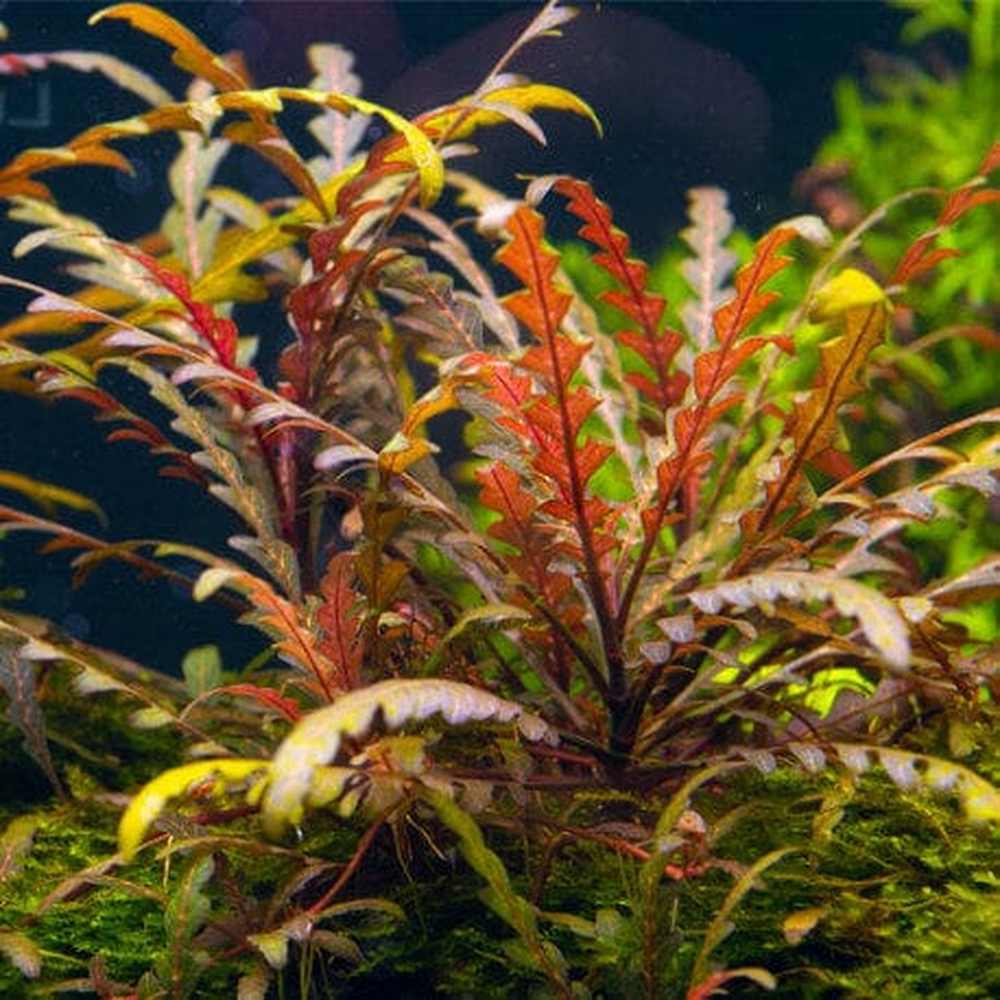
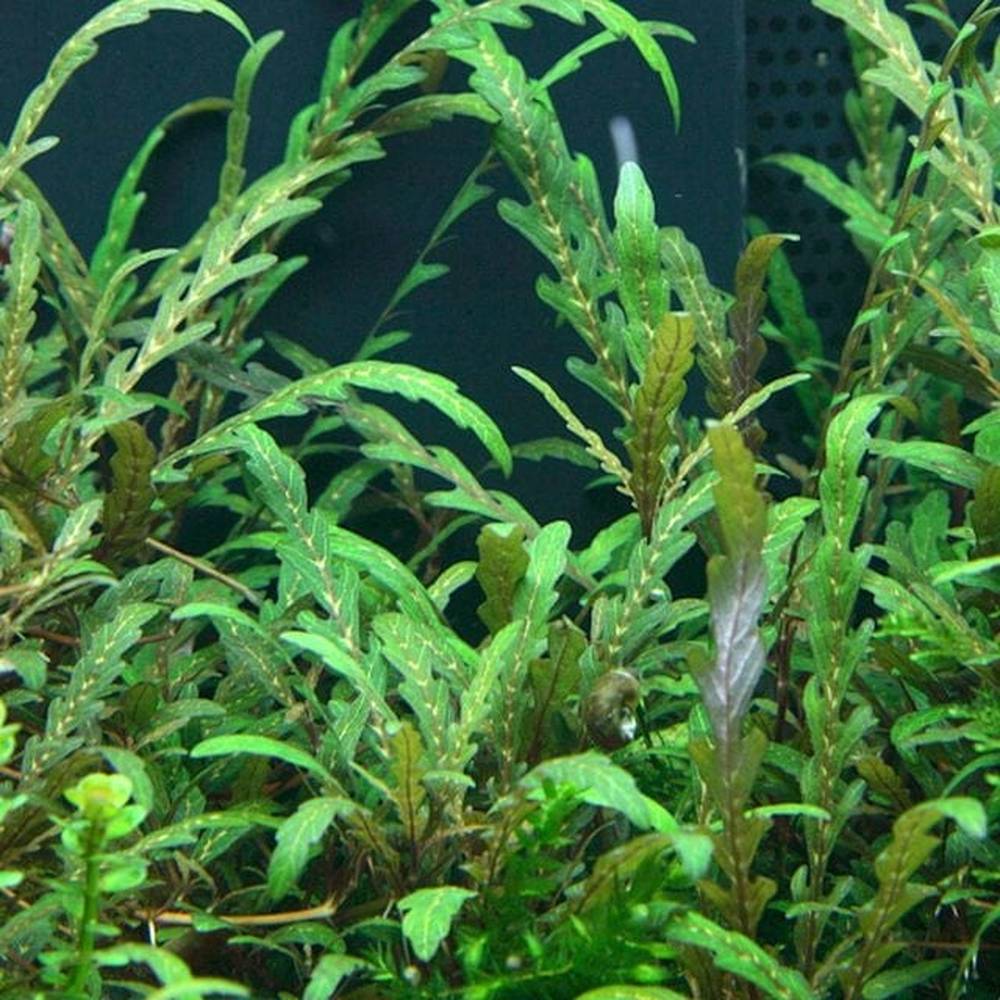
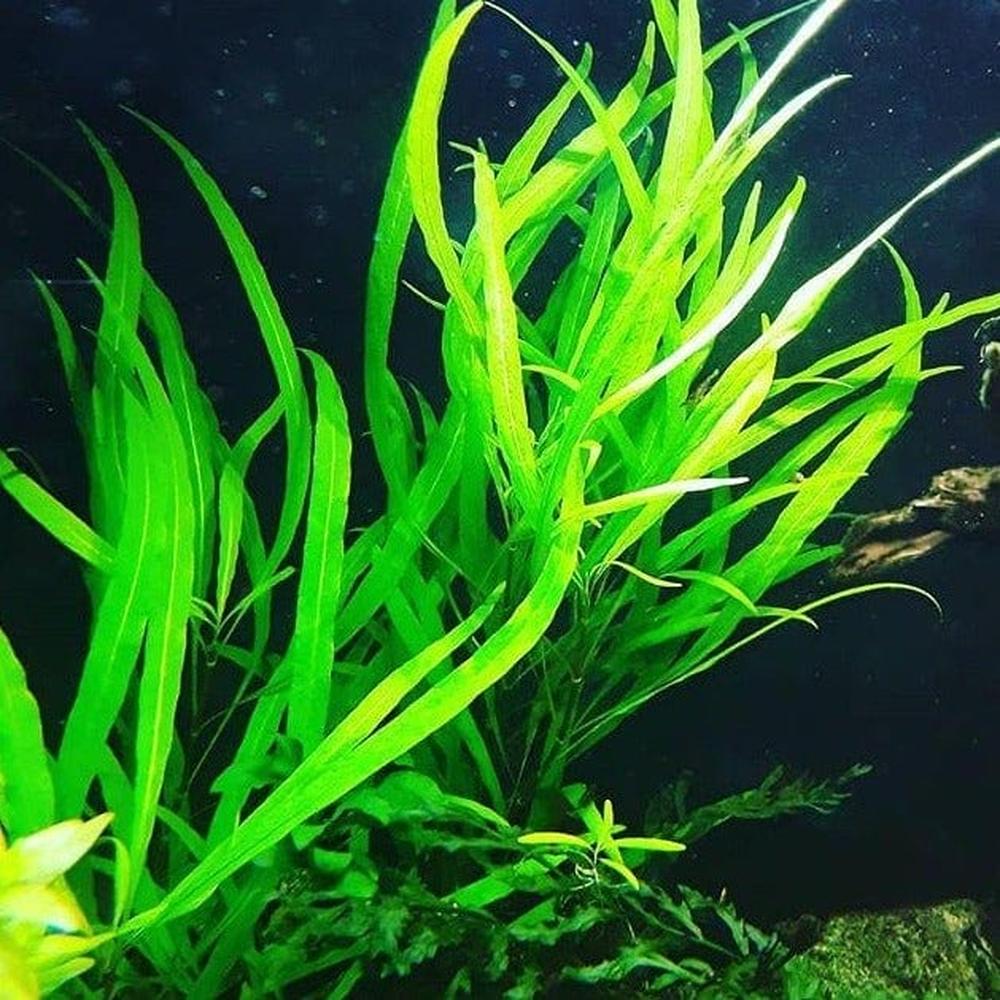
Plants & Structure: This is mandatory. They need tall plants (like Vallisneria or Java Fern) or "vertical" wood to wrap their tails around and blend into.
-
Filtration: Use a sponge filter or a very baffled intake. Powerheads are dangerous for their delicate bodies.
-
Feeding Frequency: Because they lack a true stomach, they must be fed 2–3 times daily with live micro-foods.
Why Choose the Green Pipefish?
The Green Pipefish is for the "specialist" hobbyist—someone who wants to maintain a Biotope Tank (like a mangrove or a slow-moving stream). It is a rewarding challenge for those who enjoy the "slower side" of fishkeeping and have the time to culture live foods.

Description
Green Pipefish (Microphis brachyurus)
The Green Pipefish, also known as the Short-tailed Pipefish, is a fascinating relative of the seahorse. Unlike many of the marine-only pipefish, this species is euryhaline, meaning it is often found in freshwater streams, estuaries, and brackish mangroves. It is a "living toothpick" that offers a completely different vertical dynamic to a specialized aquarium.
Key Information
-
Common Names: Green Pipefish, Short-tailed Pipefish, Freshwater Pipefish
-
Scientific Name: Microphis brachyurus
-
Origin: Circumtropical (found in Asia, Africa, and the Americas)
-
Max Size: 15–20 cm (approx. 6–8 inches)
-
Lifespan: 3–5 years
-
Temperament: Very Peaceful; shy and easily outcompeted
-
Diet: Carnivore – Specialist in live micro-foods
-
Care Level: Expert / Difficult
Appearance & Identification
The Green Pipefish is a master of "blade-of-grass" camouflage:
-
The Body: Extremely elongated and slender, with a rigid, armored body composed of bony plates.
-
Coloration: Typically a muted olive-to-bright green, though they can shift to a brownish hue to match their surroundings.
-
The Snout: Features a long, tubular snout with a tiny mouth at the end, designed to "snick" (suction) tiny prey out of the water.
-
Movement: They swim primarily using their tiny dorsal and pectoral fins, making them look like they are "hovering" through the water rather than swimming.
The "Expert" Warning: Feeding & Environment
This is the most critical part of their care:
-
Live Food Only: Most Microphis species will refuse frozen or flake food entirely. You must provide a constant supply of live baby brine shrimp, daphnia, or copepods.
-
Low Flow: They are very weak swimmers. In a high-flow reef tank, they will be tossed around and eventually die of exhaustion. They require a "calm" environment.
-
Salinity Preference: While often sold as "freshwater," they generally thrive much better and live longer in brackish water (Specific Gravity $1.005 - 1.010$).
Behaviour & Tank Compatibility
-
The Social Hunter: They are peaceful and can be kept in groups, provided the tank is large enough to support the food requirements for all of them.
-
Reef Safe: 100% Reef Safe (with corals), but they are not suitable for a standard high-flow reef tank.
-
Tank Mates: Must be kept with ultra-peaceful fish. Excellent companions include Bumblebee Gobies, Cardinalfish, or Blue-eye Rainbowfish. Avoid any fast-moving "pigs" (like Barbs, Danios, or large Wrasses) that will eat all the food before the Pipefish can react.
Ideal Tank Setup
-
Tank Size: A minimum of 115L (30 Gallons). While they are thin, they are long and appreciate horizontal space.
-
Plants & Structure: This is mandatory. They need tall plants (like Vallisneria or Java Fern) or "vertical" wood to wrap their tails around and blend into.
-
Filtration: Use a sponge filter or a very baffled intake. Powerheads are dangerous for their delicate bodies.
-
Feeding Frequency: Because they lack a true stomach, they must be fed 2–3 times daily with live micro-foods.
Why Choose the Green Pipefish?
The Green Pipefish is for the "specialist" hobbyist—someone who wants to maintain a Biotope Tank (like a mangrove or a slow-moving stream). It is a rewarding challenge for those who enjoy the "slower side" of fishkeeping and have the time to culture live foods.