Elephant Nose Fish (Gnathonemus Petersii)
The Elephant Nose Fish is one of the most biologically unique species available in the aquarium trade. It belongs to the "Mormyrid" family, known for having one of the highest brain-to-body weight ratios of all vertebrates—even higher than humans!
As a Shopify specialist, Iwan, you’ll find that this fish is a "magnet" for advanced hobbyists. Its strange appearance and electrical sensing abilities make it a perfect subject for an educational blog post on your site to boost organic SEO traffic.
Elephant Nose Fish (Gnathonemus petersii)
The Elephant Nose Fish is an extraordinary nocturnal species native to the slow-moving, murky rivers of Central and West Africa. It is named for its "Schnauzenorgan"—an elongated, trunk-like extension of the chin used for self-defense, communication, and navigating dark waters. Most remarkably, this fish generates a weak electrical field to "see" its surroundings, a process known as electrolocation. Intelligent and highly active at night, the Elephant Nose is a rewarding species for experienced aquarists looking for something truly out of the ordinary.
Key Information
-
Common Name: Elephant Nose Fish, Peter's Elephantnose
-
Scientific Name: Gnathonemus petersii
-
Origin: Africa (Niger River, Congo River Basin)
-
Max Size: 20–25 cm
-
Lifespan: 6–10 years
-
Temperament: Semi-aggressive (Peaceful with others, but territorial with its own kind)
-
Diet: Carnivore – Prefers live or frozen bloodworms, brine shrimp, and tubifex. They are often reluctant to eat dry flakes.
-
Care Level: Difficult (Sensitive to water quality and medications)
Water Parameters
| Parameter | Value |
| Temperature: | 23–28°C |
| pH: | 6.0–7.5 |
| Hardness: | 5–15 dGH |
| Minimum Tank Size: | 200L+ |
Behaviour & Tank Compatibility
The Elephant Nose is generally peaceful toward other species but can be highly aggressive toward other Elephant Nose fish or similar electrical species (like Black Ghost Knifefish). They are best kept as a single specimen in a community tank. Ideal tank mates include peaceful African species like Congo Tetras, African Butterfly Fish, and medium-sized Synodontis Catfish. Avoid aggressive tank mates that might nip at their sensitive "trunk."
Ideal Tank Setup
-
Soft Sandy Substrate: Crucial. They use their sensitive chin organ to sift through the bottom. Sharp gravel can cause injuries and lead to infections.
-
Hiding Spots: Provide plenty of caves using PVC pipes, smooth rocks, or large driftwood. They need dark retreats for daytime resting.
-
Subdued Lighting: They are nocturnal and feel stressed under bright lights. Use floating plants like Salvinia or Pistia to create shaded areas.
-
Low Noise/Vibration: Because they use electrical pulses, they can be stressed by loud equipment or heavy vibrations near the tank.
-
Secure Lid: They are surprisingly good jumpers when startled.
Why Choose the Elephant Nose Fish?
The Elephant Nose Fish is a "living laboratory." Watching them navigate obstacles using their electrical sense is a fascinating experience. They are known for their high intelligence and can even learn to recognize their keepers. For the hobbyist who wants a fish that challenges their skills and offers a glimpse into a different way of perceiving the world, the Elephant Nose is a prehistoric marvel.
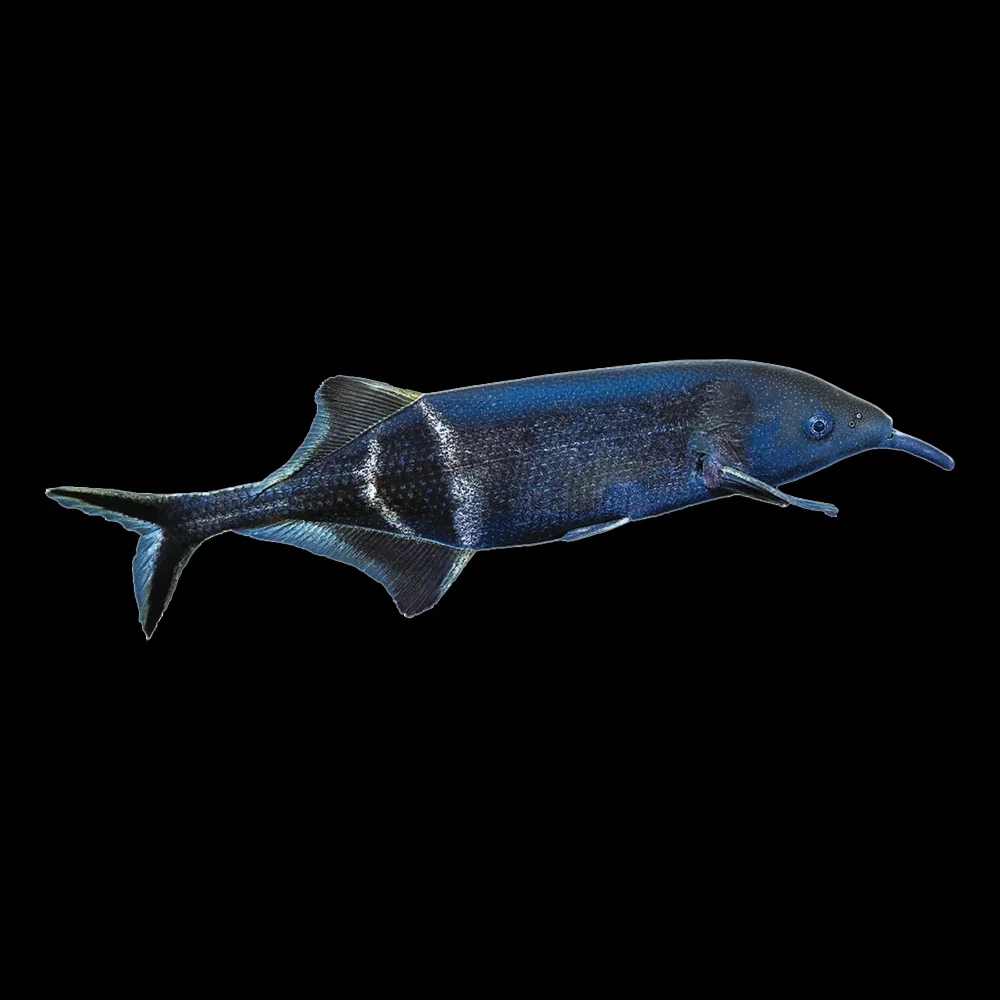
Description
The Elephant Nose Fish is one of the most biologically unique species available in the aquarium trade. It belongs to the "Mormyrid" family, known for having one of the highest brain-to-body weight ratios of all vertebrates—even higher than humans!
As a Shopify specialist, Iwan, you’ll find that this fish is a "magnet" for advanced hobbyists. Its strange appearance and electrical sensing abilities make it a perfect subject for an educational blog post on your site to boost organic SEO traffic.
Elephant Nose Fish (Gnathonemus petersii)
The Elephant Nose Fish is an extraordinary nocturnal species native to the slow-moving, murky rivers of Central and West Africa. It is named for its "Schnauzenorgan"—an elongated, trunk-like extension of the chin used for self-defense, communication, and navigating dark waters. Most remarkably, this fish generates a weak electrical field to "see" its surroundings, a process known as electrolocation. Intelligent and highly active at night, the Elephant Nose is a rewarding species for experienced aquarists looking for something truly out of the ordinary.
Key Information
-
Common Name: Elephant Nose Fish, Peter's Elephantnose
-
Scientific Name: Gnathonemus petersii
-
Origin: Africa (Niger River, Congo River Basin)
-
Max Size: 20–25 cm
-
Lifespan: 6–10 years
-
Temperament: Semi-aggressive (Peaceful with others, but territorial with its own kind)
-
Diet: Carnivore – Prefers live or frozen bloodworms, brine shrimp, and tubifex. They are often reluctant to eat dry flakes.
-
Care Level: Difficult (Sensitive to water quality and medications)
Water Parameters
| Parameter | Value |
| Temperature: | 23–28°C |
| pH: | 6.0–7.5 |
| Hardness: | 5–15 dGH |
| Minimum Tank Size: | 200L+ |
Behaviour & Tank Compatibility
The Elephant Nose is generally peaceful toward other species but can be highly aggressive toward other Elephant Nose fish or similar electrical species (like Black Ghost Knifefish). They are best kept as a single specimen in a community tank. Ideal tank mates include peaceful African species like Congo Tetras, African Butterfly Fish, and medium-sized Synodontis Catfish. Avoid aggressive tank mates that might nip at their sensitive "trunk."
Ideal Tank Setup
-
Soft Sandy Substrate: Crucial. They use their sensitive chin organ to sift through the bottom. Sharp gravel can cause injuries and lead to infections.
-
Hiding Spots: Provide plenty of caves using PVC pipes, smooth rocks, or large driftwood. They need dark retreats for daytime resting.
-
Subdued Lighting: They are nocturnal and feel stressed under bright lights. Use floating plants like Salvinia or Pistia to create shaded areas.
-
Low Noise/Vibration: Because they use electrical pulses, they can be stressed by loud equipment or heavy vibrations near the tank.
-
Secure Lid: They are surprisingly good jumpers when startled.
Why Choose the Elephant Nose Fish?
The Elephant Nose Fish is a "living laboratory." Watching them navigate obstacles using their electrical sense is a fascinating experience. They are known for their high intelligence and can even learn to recognize their keepers. For the hobbyist who wants a fish that challenges their skills and offers a glimpse into a different way of perceiving the world, the Elephant Nose is a prehistoric marvel.