Dragon Wrasse (Novaculichthys Taeniourus)
Double Saddle Butterflyfish (Chaetodon ulietensis)
The Double Saddle Butterflyfish, also known as the Pacific Double-saddle Butterflyfish or False Falcula Butterfly, is a classic representative of the Indo-Pacific reefs. It is frequently confused with the Indian Ocean Falcula Butterfly (C. falcula), but the Double Saddle is generally considered the hardier of the two. It is a graceful, active swimmer that brings an elegant, "architectural" look to large marine systems.
Key Information
-
Common Names: Double Saddle Butterfly, False Falcula, Pacific Double-saddle
-
Scientific Name: Chaetodon ulietensis
-
Origin: Indo-Pacific (Cocos-Keeling to the Tuamotu Islands, north to Japan)
-
Max Size: 15–20 cm (approx. 6–8 inches)
-
Lifespan: 7–10 years
-
Temperament: Peaceful; can be shy initially
-
Diet: Omnivore – Requires a varied diet of meaty and plant-based foods
-
Care Level: Moderate
Appearance & Identification
The Double Saddle Butterfly is defined by its clean, high-contrast markings:
-
The "Saddles": It features two broad, dark vertical wedges (saddles) on the upper half of its body.
-
Vertical Lines: The white/silvery body is etched with numerous thin, vertical grey-to-black lines.
-
Yellow Highlights: The rear of the body, including the dorsal and anal fins, transitions into a bright, sunny yellow.
-
The Mask: A vertical black bar runs through the eye, a characteristic trait of many butterflyfish used to camouflage the eye from predators.
-
VS. Falcula: The Double Saddle's black wedges are usually more "blurry" or faded at the bottom compared to the sharp, solid wedges of the true Falcula.
Behaviour & Tank Compatibility
-
Aiptasia Control: Like several other butterfly species, the Double Saddle is often recruited by hobbyists because it has a natural appetite for Aiptasia anemones.
-
Reef Safe (Caution): This fish is not considered reef-safe. It will readily nip at stony corals (SPS/LPS), soft corals, and especially anemones and fan worms. It is best suited for a FOWLR (Fish Only With Live Rock) system.
-
Social Structure: They are generally solitary in the wild but can be kept as a mated pair in a large enough aquarium. They are very peaceful toward non-butterfly tank mates.
-
Tank Mates: Excellent with Tangs, peaceful Wrasses, and large Anthias. Avoid aggressive "bullies" like large Triggers or dominant Damselfish that might out-compete them for food.
Ideal Tank Setup
-
Tank Size: A minimum of 285L–380L (75–100 Gallons) is required. They are active swimmers and need plenty of lateral space.
-
Rockwork: Provide plenty of live rock with large caves and overhangs. Butterflyfish like to have "escape routes" and shaded areas to retreat to when resting.
-
Water Quality: They are sensitive to poor water conditions. Low nitrates and high oxygenation (via a good protein skimmer) are essential for long-term health.
-
Feeding: Feed 2–3 times daily. Offer a variety of frozen foods: mysis, brine shrimp, and finely chopped seafood. They also benefit from grazing on algae, so providing Spirulina-enriched foods or Nori is helpful.
Why Choose the Double Saddle Butterfly?
The Double Saddle is a fantastic "workhorse" for a large FOWLR system. It provides the iconic look of a tropical reef fish while being significantly hardier and easier to feed than more delicate butterflies like the Copperband. If you are struggling with an Aiptasia outbreak in a non-coral tank, or simply want a fish with a striking, sophisticated pattern, the Double Saddle is a classic and rewarding choice.
Original: $65.09
-65%$65.09
$22.78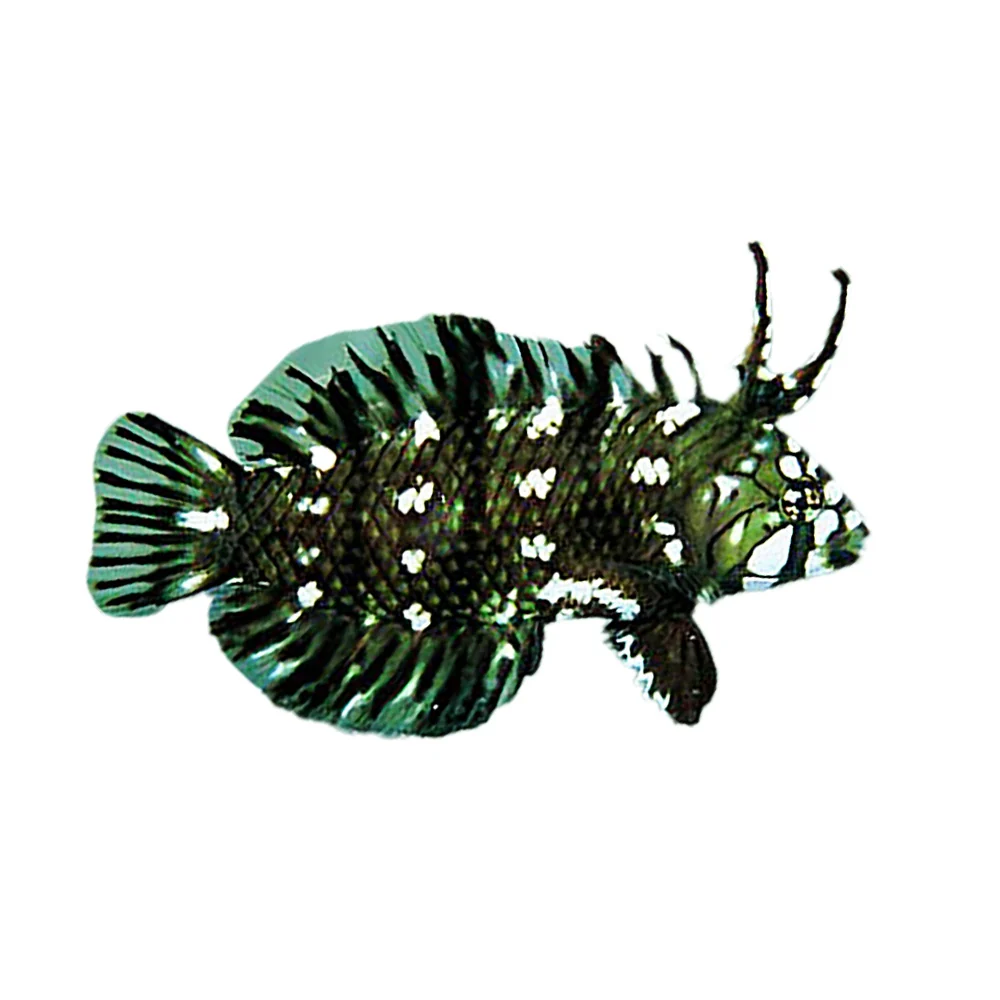
Description
Double Saddle Butterflyfish (Chaetodon ulietensis)
The Double Saddle Butterflyfish, also known as the Pacific Double-saddle Butterflyfish or False Falcula Butterfly, is a classic representative of the Indo-Pacific reefs. It is frequently confused with the Indian Ocean Falcula Butterfly (C. falcula), but the Double Saddle is generally considered the hardier of the two. It is a graceful, active swimmer that brings an elegant, "architectural" look to large marine systems.
Key Information
-
Common Names: Double Saddle Butterfly, False Falcula, Pacific Double-saddle
-
Scientific Name: Chaetodon ulietensis
-
Origin: Indo-Pacific (Cocos-Keeling to the Tuamotu Islands, north to Japan)
-
Max Size: 15–20 cm (approx. 6–8 inches)
-
Lifespan: 7–10 years
-
Temperament: Peaceful; can be shy initially
-
Diet: Omnivore – Requires a varied diet of meaty and plant-based foods
-
Care Level: Moderate
Appearance & Identification
The Double Saddle Butterfly is defined by its clean, high-contrast markings:
-
The "Saddles": It features two broad, dark vertical wedges (saddles) on the upper half of its body.
-
Vertical Lines: The white/silvery body is etched with numerous thin, vertical grey-to-black lines.
-
Yellow Highlights: The rear of the body, including the dorsal and anal fins, transitions into a bright, sunny yellow.
-
The Mask: A vertical black bar runs through the eye, a characteristic trait of many butterflyfish used to camouflage the eye from predators.
-
VS. Falcula: The Double Saddle's black wedges are usually more "blurry" or faded at the bottom compared to the sharp, solid wedges of the true Falcula.
Behaviour & Tank Compatibility
-
Aiptasia Control: Like several other butterfly species, the Double Saddle is often recruited by hobbyists because it has a natural appetite for Aiptasia anemones.
-
Reef Safe (Caution): This fish is not considered reef-safe. It will readily nip at stony corals (SPS/LPS), soft corals, and especially anemones and fan worms. It is best suited for a FOWLR (Fish Only With Live Rock) system.
-
Social Structure: They are generally solitary in the wild but can be kept as a mated pair in a large enough aquarium. They are very peaceful toward non-butterfly tank mates.
-
Tank Mates: Excellent with Tangs, peaceful Wrasses, and large Anthias. Avoid aggressive "bullies" like large Triggers or dominant Damselfish that might out-compete them for food.
Ideal Tank Setup
-
Tank Size: A minimum of 285L–380L (75–100 Gallons) is required. They are active swimmers and need plenty of lateral space.
-
Rockwork: Provide plenty of live rock with large caves and overhangs. Butterflyfish like to have "escape routes" and shaded areas to retreat to when resting.
-
Water Quality: They are sensitive to poor water conditions. Low nitrates and high oxygenation (via a good protein skimmer) are essential for long-term health.
-
Feeding: Feed 2–3 times daily. Offer a variety of frozen foods: mysis, brine shrimp, and finely chopped seafood. They also benefit from grazing on algae, so providing Spirulina-enriched foods or Nori is helpful.
Why Choose the Double Saddle Butterfly?
The Double Saddle is a fantastic "workhorse" for a large FOWLR system. It provides the iconic look of a tropical reef fish while being significantly hardier and easier to feed than more delicate butterflies like the Copperband. If you are struggling with an Aiptasia outbreak in a non-coral tank, or simply want a fish with a striking, sophisticated pattern, the Double Saddle is a classic and rewarding choice.