Discus Blue Diamond (Symphysodon Sp.)
Blue Diamond Discus (Symphysodon sp.)
The Blue Diamond Discus is a breathtaking masterpiece of selective breeding. It features a solid, metallic blue body that shimmers intensely under aquarium lighting, completely devoid of the vertical stress bars found in wild species. With its iconic disk-shaped body and elegant, slow-moving grace, the Blue Diamond is the ultimate centerpiece for a large, high-end tropical display.
Key Information
-
Common Name: Blue Diamond Discus
-
Scientific Name: Symphysodon sp.
-
Origin: Selective bred (Ancestry from the Amazon Basin)
-
Max Size: 15–20 cm
-
Lifespan: 10–15 years
-
Temperament: Peaceful (Social schooling fish)
-
Diet: Omnivore/Carnivore – Requires high-protein foods like beef heart mixes, bloodworms, and specialized Discus pellets.
-
Care Level: Difficult (Requires expert-level water management)
Water Parameters
| Parameter | Value |
| Temperature: | 28–30°C (Requires very warm water) |
| pH: | 6.0–7.0 (Soft and acidic) |
| Hardness: | 1–8 dGH |
| Minimum Tank Size: | 200L+ (Tall tanks are preferred) |
Behaviour & Tank Compatibility
Discus are highly social fish and must be kept in groups of at least 5–6 individuals to reduce stress and establish a healthy social hierarchy. They are shy and peaceful, so they should only be housed with calm tank mates that can tolerate high temperatures. Ideal companions include Cardinal Tetras, Rummy Nose Tetras, Sterbai Corydoras, and German Blue Rams. Avoid fast-moving or aggressive fish that might outcompete them for food.
Ideal Tank Setup
-
Pristine Water Quality: Discus are extremely sensitive to nitrates and organics. Large, frequent water changes (25–50% weekly or more) are mandatory.
-
Stable High Temperature: A high-quality, redundant heating system is vital to maintain a steady 29°C.
-
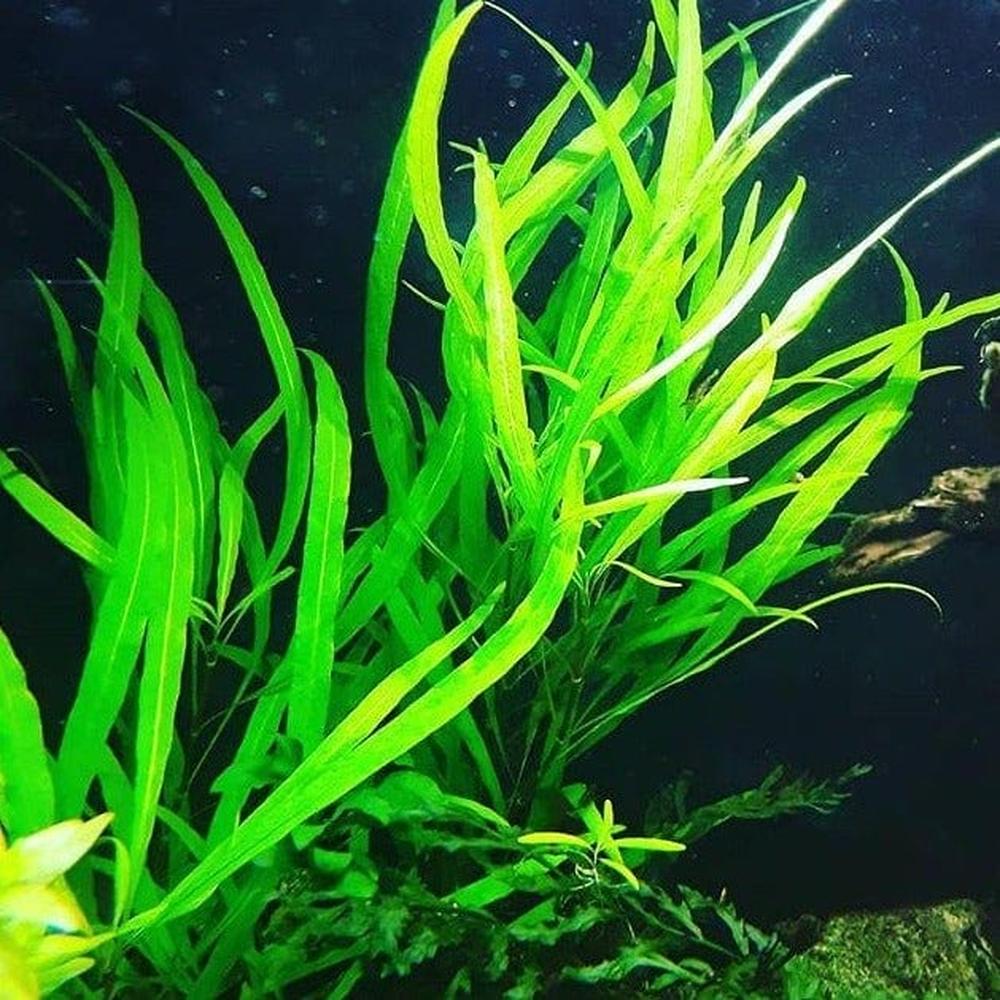
Driftwood and Plants: Use vertical driftwood branches to mimic their natural habitat. Large-leafed plants like Amazon Swords provide excellent cover.
-
Subdued Lighting: They prefer dappled light; floating plants are excellent for creating a secure, low-stress environment.
-
Soft Substrate: Fine sand is best, as Discus love to "blow" into the substrate to uncover hidden food.

Description
Blue Diamond Discus (Symphysodon sp.)
The Blue Diamond Discus is a breathtaking masterpiece of selective breeding. It features a solid, metallic blue body that shimmers intensely under aquarium lighting, completely devoid of the vertical stress bars found in wild species. With its iconic disk-shaped body and elegant, slow-moving grace, the Blue Diamond is the ultimate centerpiece for a large, high-end tropical display.
Key Information
-
Common Name: Blue Diamond Discus
-
Scientific Name: Symphysodon sp.
-
Origin: Selective bred (Ancestry from the Amazon Basin)
-
Max Size: 15–20 cm
-
Lifespan: 10–15 years
-
Temperament: Peaceful (Social schooling fish)
-
Diet: Omnivore/Carnivore – Requires high-protein foods like beef heart mixes, bloodworms, and specialized Discus pellets.
-
Care Level: Difficult (Requires expert-level water management)
Water Parameters
| Parameter | Value |
| Temperature: | 28–30°C (Requires very warm water) |
| pH: | 6.0–7.0 (Soft and acidic) |
| Hardness: | 1–8 dGH |
| Minimum Tank Size: | 200L+ (Tall tanks are preferred) |
Behaviour & Tank Compatibility
Discus are highly social fish and must be kept in groups of at least 5–6 individuals to reduce stress and establish a healthy social hierarchy. They are shy and peaceful, so they should only be housed with calm tank mates that can tolerate high temperatures. Ideal companions include Cardinal Tetras, Rummy Nose Tetras, Sterbai Corydoras, and German Blue Rams. Avoid fast-moving or aggressive fish that might outcompete them for food.
Ideal Tank Setup
-
Pristine Water Quality: Discus are extremely sensitive to nitrates and organics. Large, frequent water changes (25–50% weekly or more) are mandatory.
-
Stable High Temperature: A high-quality, redundant heating system is vital to maintain a steady 29°C.
-
Driftwood and Plants: Use vertical driftwood branches to mimic their natural habitat. Large-leafed plants like Amazon Swords provide excellent cover.
-
Subdued Lighting: They prefer dappled light; floating plants are excellent for creating a secure, low-stress environment.
-
Soft Substrate: Fine sand is best, as Discus love to "blow" into the substrate to uncover hidden food.