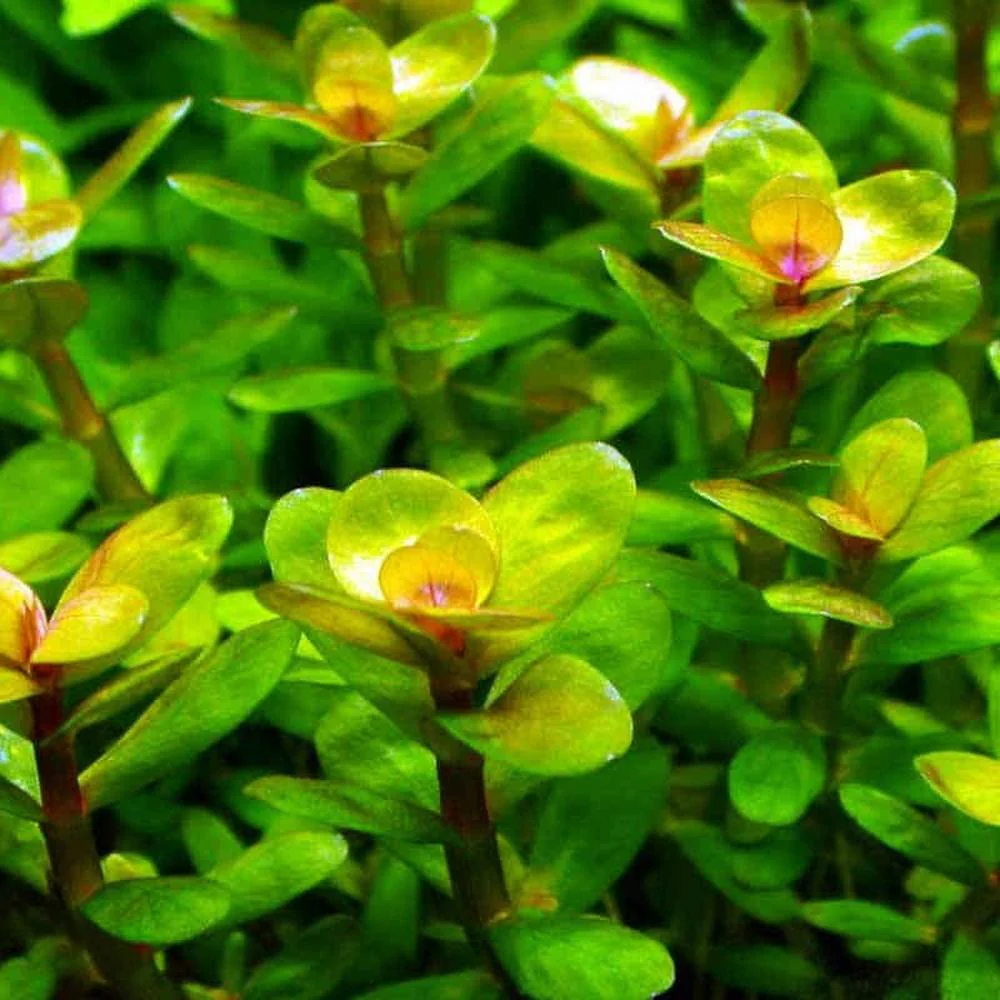
Rasbora Neon Blue (Sundadanio Axelrodi)
Neon Blue Rasbora (Sundadanio axelrodi "Blue")
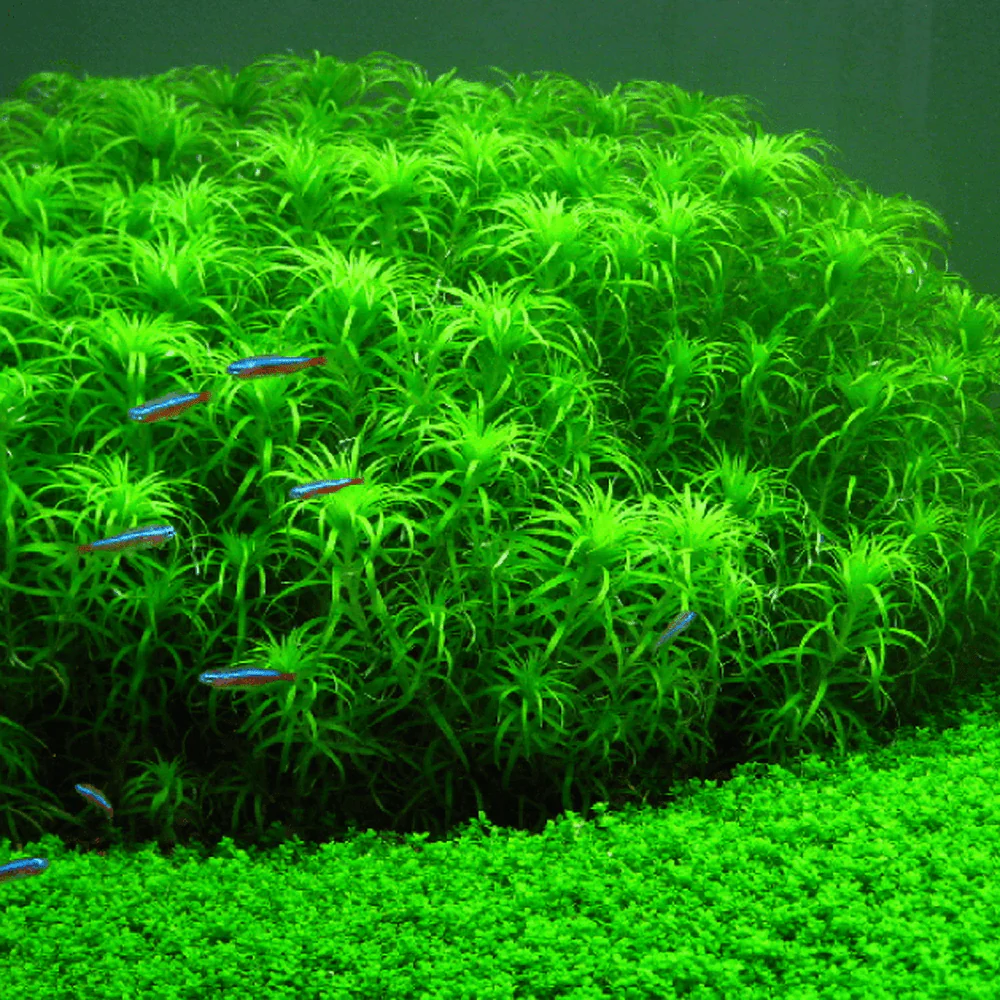
The Neon Blue Rasbora is a miniature masterpiece originating from the blackwater peat swamps of Southeast Asia. This species is celebrated for its deep, metallic blue-green iridescence that seems to shimmer even under low lighting. Because of its tiny size and gentle nature, it is the perfect resident for high-end aquascapes and "nano" setups. Watching a school of these fish navigate through lush green mosses or dark driftwood is one of the most serene experiences the hobby has to offer.
Key Information
-
Common Name: Neon Blue Rasbora, Axelrod's Rasbora, Blue Sundadanio
-
Scientific Name: Sundadanio axelrodi
-
Origin: Indonesia (Borneo, Sumatra, and Bangka)
-
Max Size: 1.5–2.2 cm (Very small)
-
Lifespan: 3–5 years
-
Temperament: Peaceful (Very shy)
-
Diet: Omnivore – Requires micro-foods like crushed flakes, baby brine shrimp, or specialized nano-pellets.
-
Care Level: Moderate to Difficult (Sensitive to water quality)
Water Parameters
| Parameter | Value |
| Temperature: | 23–27°C |
| pH: | 4.0–6.5 (Strictly acidic) |
| Hardness: | 1–5 dGH (Requires very soft water) |
| Minimum Tank Size: | 20L+ |
Behaviour & Tank Compatibility
Neon Blue Rasboras are highly social schooling fish and should be kept in groups of at least 10–12 to help them feel secure and display their best colors. In smaller groups, they can become extremely timid. They are perfect for "shrimp-safe" tanks, as they are too small to bother adult shrimp. Compatible tank mates include other micro-fish like Chili Rasboras, Pygmy Corydoras, and Otocinclus. Avoid housing them with larger or boisterous fish that might outcompete them for food or view them as prey.
Ideal Tank Setup
-
Blackwater Simulation: They thrive with the addition of Indian Almond Leaves (Catappa) and driftwood, which release tannins and lower the pH.
-
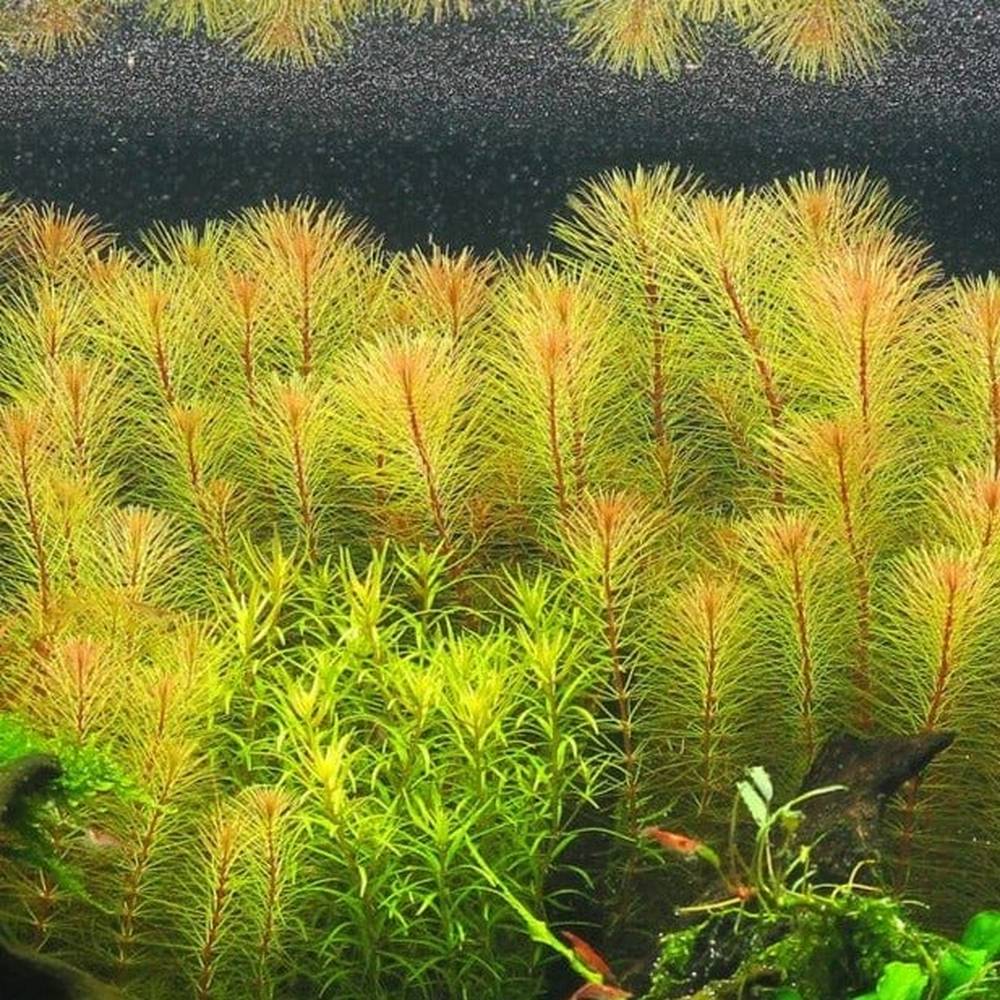
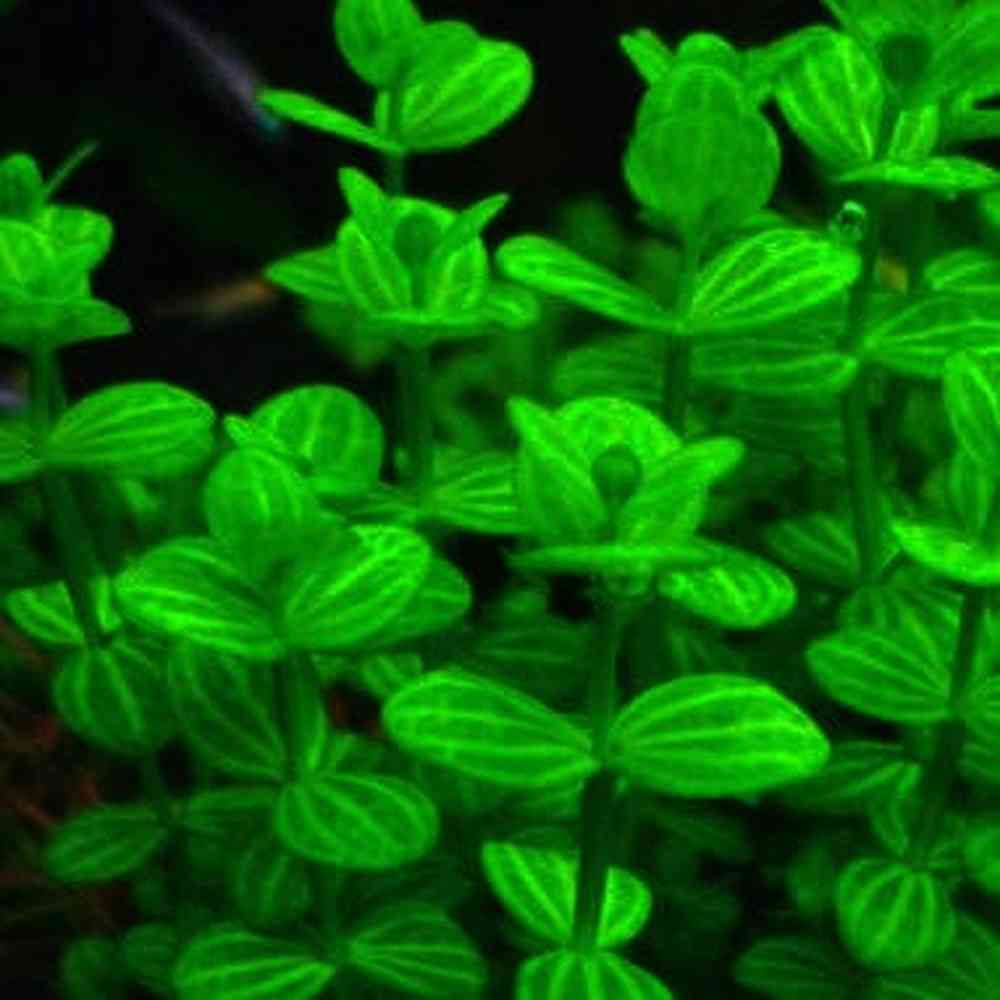
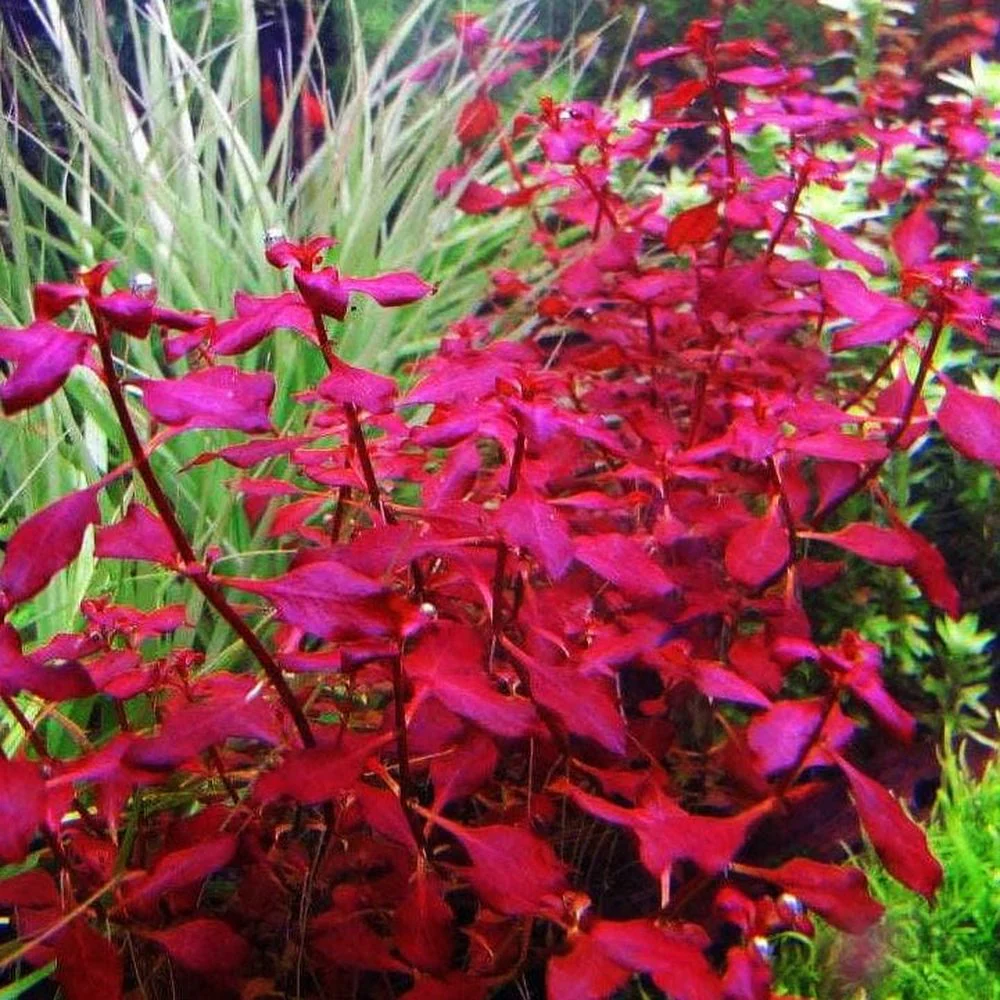
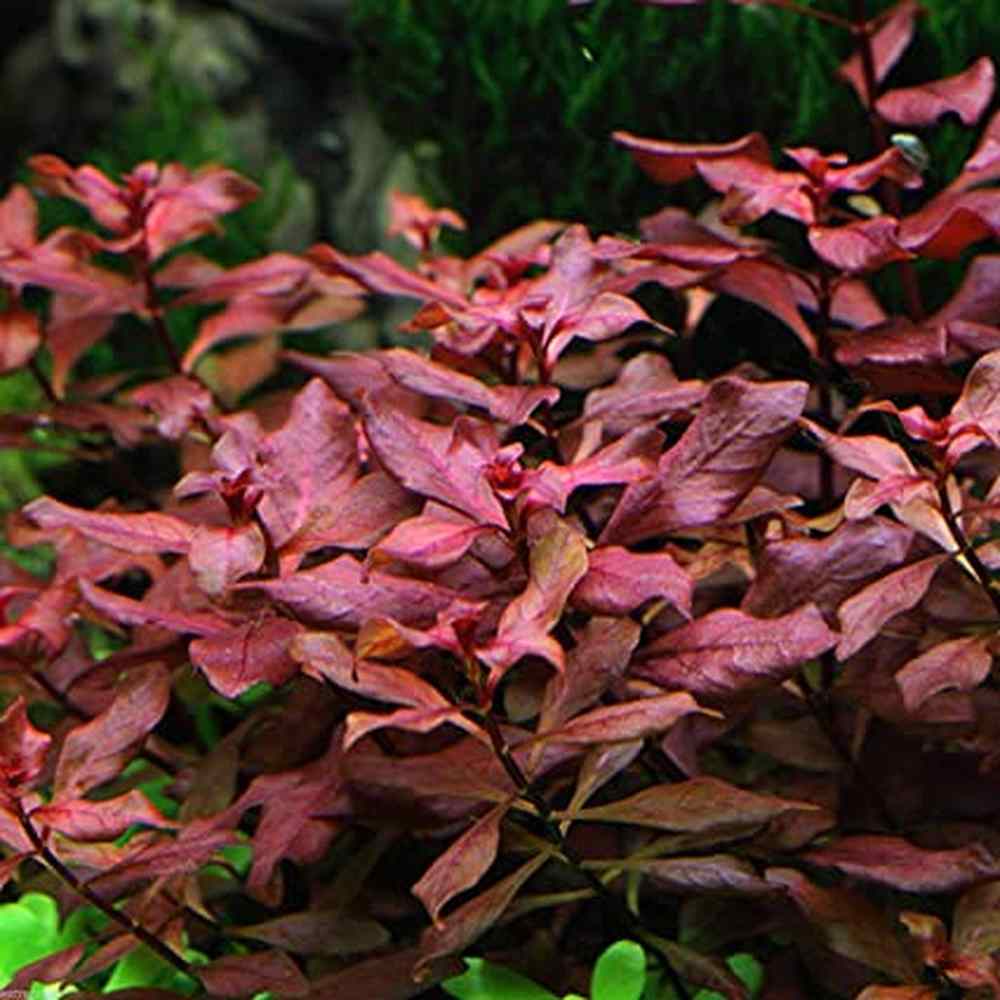
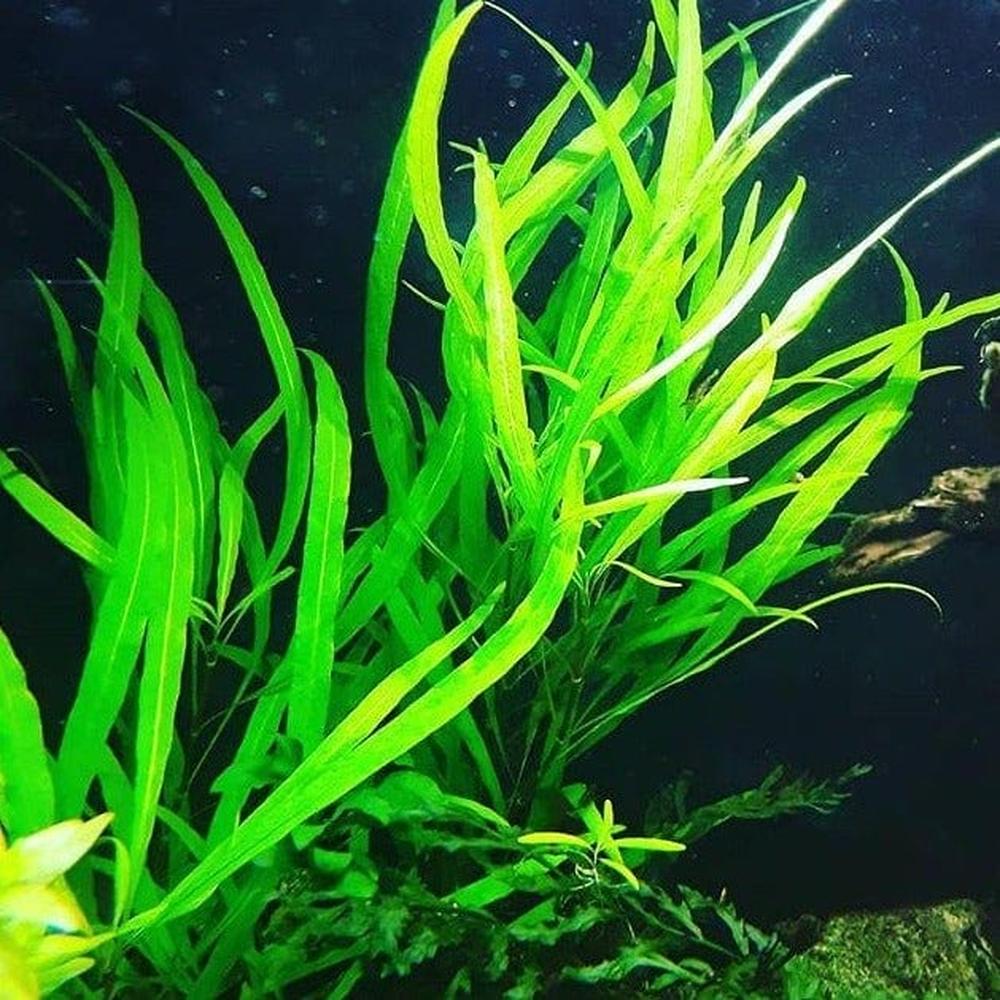
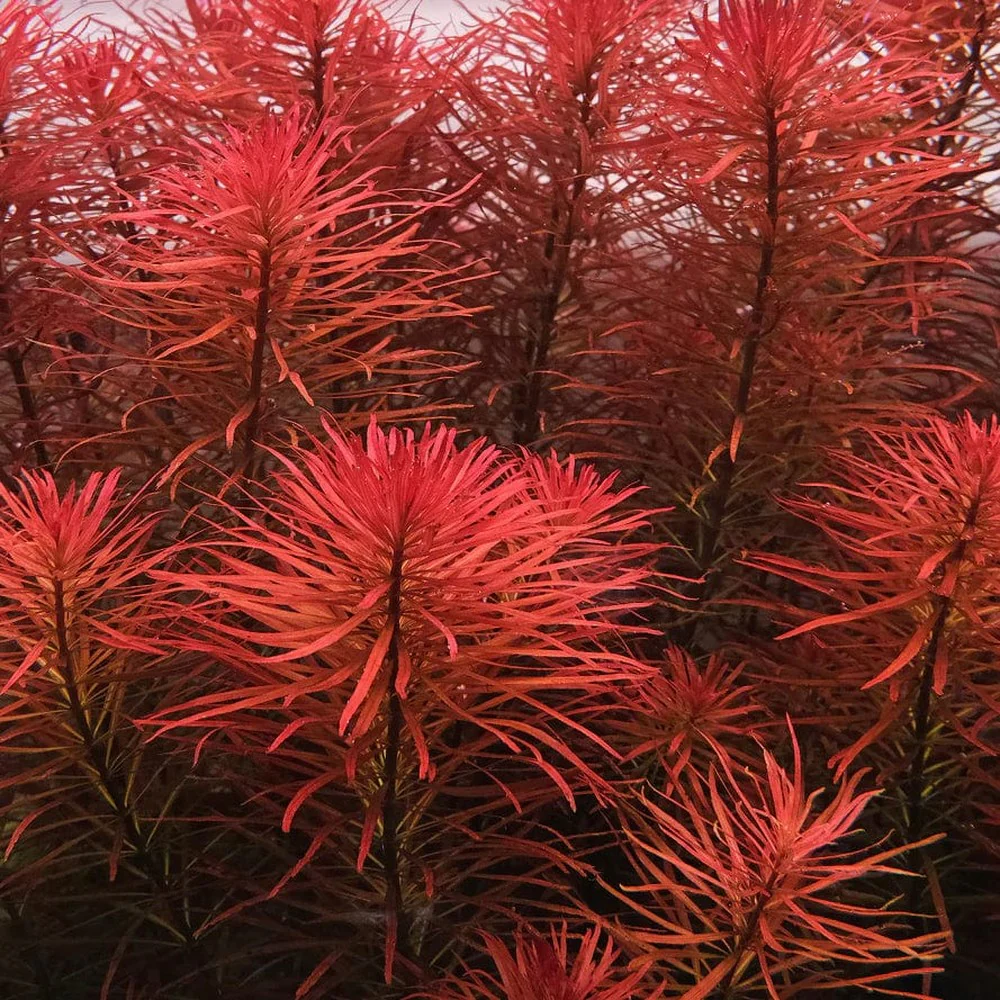
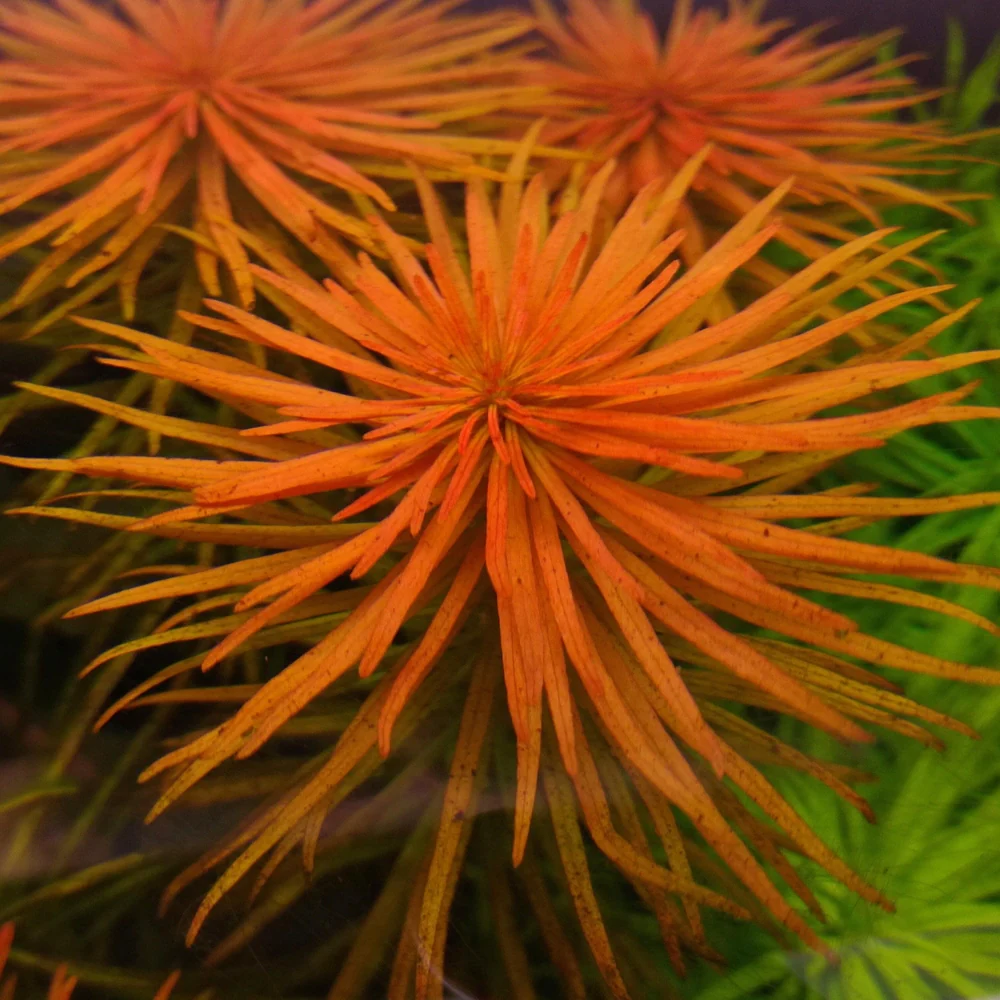
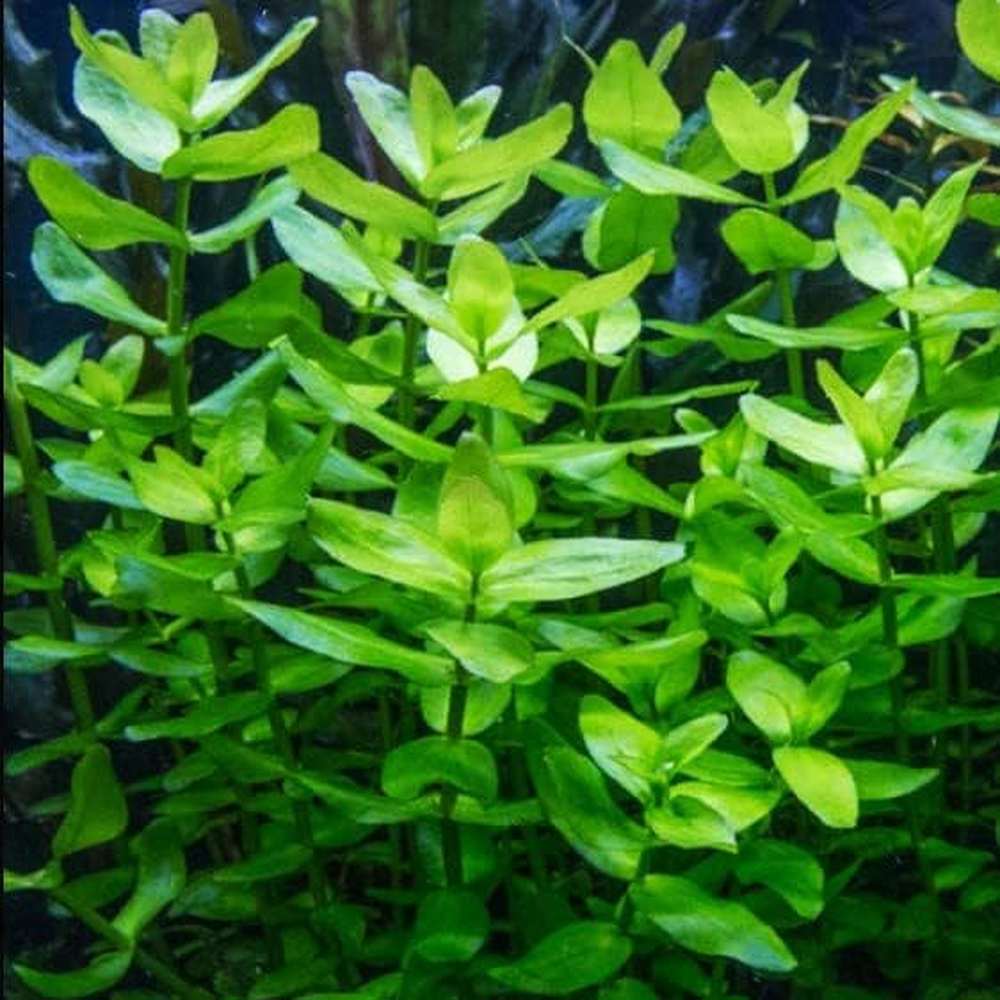
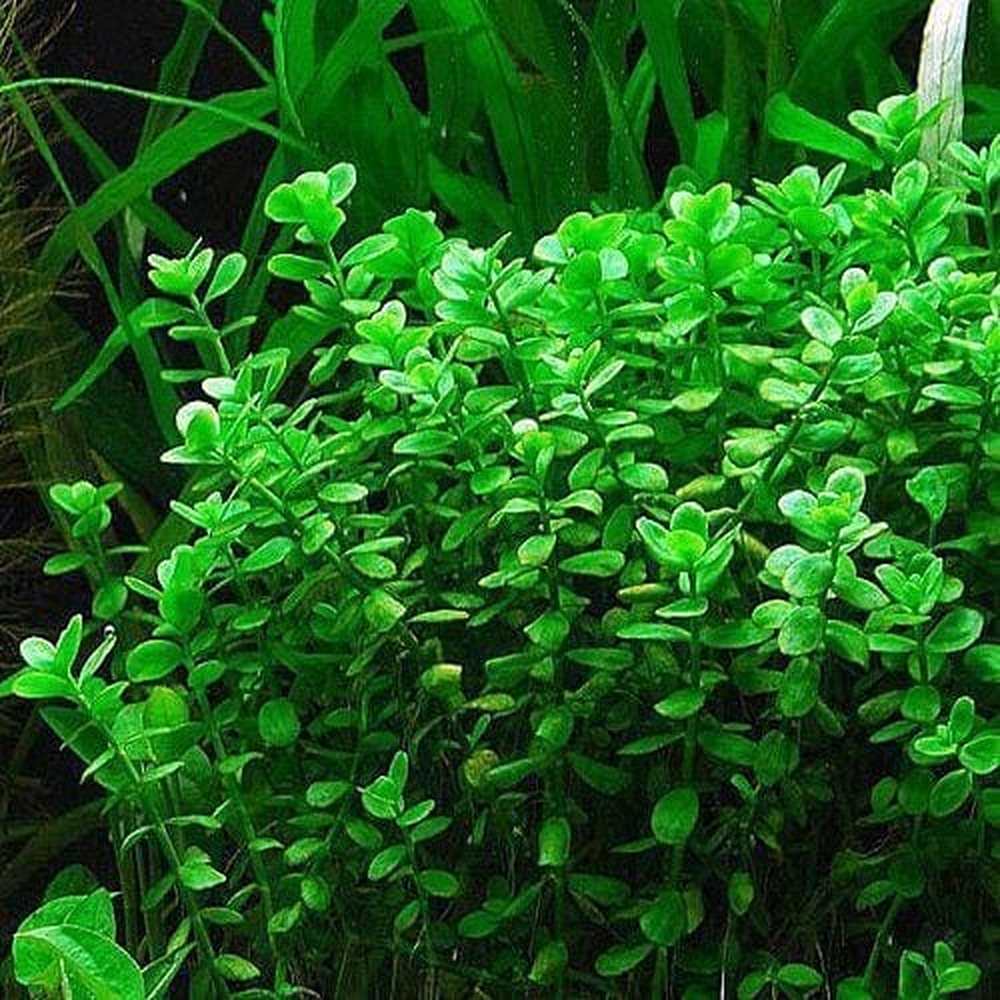
Dense Vegetation: Heavily planted tanks with mosses and floating plants are ideal for providing the shade and cover they crave.
-
Dark Substrate: Using a dark substrate will significantly enhance their neon blue iridescence.
-
Gentle Filtration: Because of their tiny size, use a sponge filter or a pre-filter intake to ensure they aren't sucked into the equipment.
-
Low Lighting: They prefer subdued, dappled light which mimics their natural forest stream environment.

Description
Neon Blue Rasbora (Sundadanio axelrodi "Blue")
The Neon Blue Rasbora is a miniature masterpiece originating from the blackwater peat swamps of Southeast Asia. This species is celebrated for its deep, metallic blue-green iridescence that seems to shimmer even under low lighting. Because of its tiny size and gentle nature, it is the perfect resident for high-end aquascapes and "nano" setups. Watching a school of these fish navigate through lush green mosses or dark driftwood is one of the most serene experiences the hobby has to offer.
Key Information
-
Common Name: Neon Blue Rasbora, Axelrod's Rasbora, Blue Sundadanio
-
Scientific Name: Sundadanio axelrodi
-
Origin: Indonesia (Borneo, Sumatra, and Bangka)
-
Max Size: 1.5–2.2 cm (Very small)
-
Lifespan: 3–5 years
-
Temperament: Peaceful (Very shy)
-
Diet: Omnivore – Requires micro-foods like crushed flakes, baby brine shrimp, or specialized nano-pellets.
-
Care Level: Moderate to Difficult (Sensitive to water quality)
Water Parameters
| Parameter | Value |
| Temperature: | 23–27°C |
| pH: | 4.0–6.5 (Strictly acidic) |
| Hardness: | 1–5 dGH (Requires very soft water) |
| Minimum Tank Size: | 20L+ |
Behaviour & Tank Compatibility
Neon Blue Rasboras are highly social schooling fish and should be kept in groups of at least 10–12 to help them feel secure and display their best colors. In smaller groups, they can become extremely timid. They are perfect for "shrimp-safe" tanks, as they are too small to bother adult shrimp. Compatible tank mates include other micro-fish like Chili Rasboras, Pygmy Corydoras, and Otocinclus. Avoid housing them with larger or boisterous fish that might outcompete them for food or view them as prey.
Ideal Tank Setup
-
Blackwater Simulation: They thrive with the addition of Indian Almond Leaves (Catappa) and driftwood, which release tannins and lower the pH.
-
Dense Vegetation: Heavily planted tanks with mosses and floating plants are ideal for providing the shade and cover they crave.
-
Dark Substrate: Using a dark substrate will significantly enhance their neon blue iridescence.
-
Gentle Filtration: Because of their tiny size, use a sponge filter or a pre-filter intake to ensure they aren't sucked into the equipment.
-
Low Lighting: They prefer subdued, dappled light which mimics their natural forest stream environment.