Copepods Apocyclops
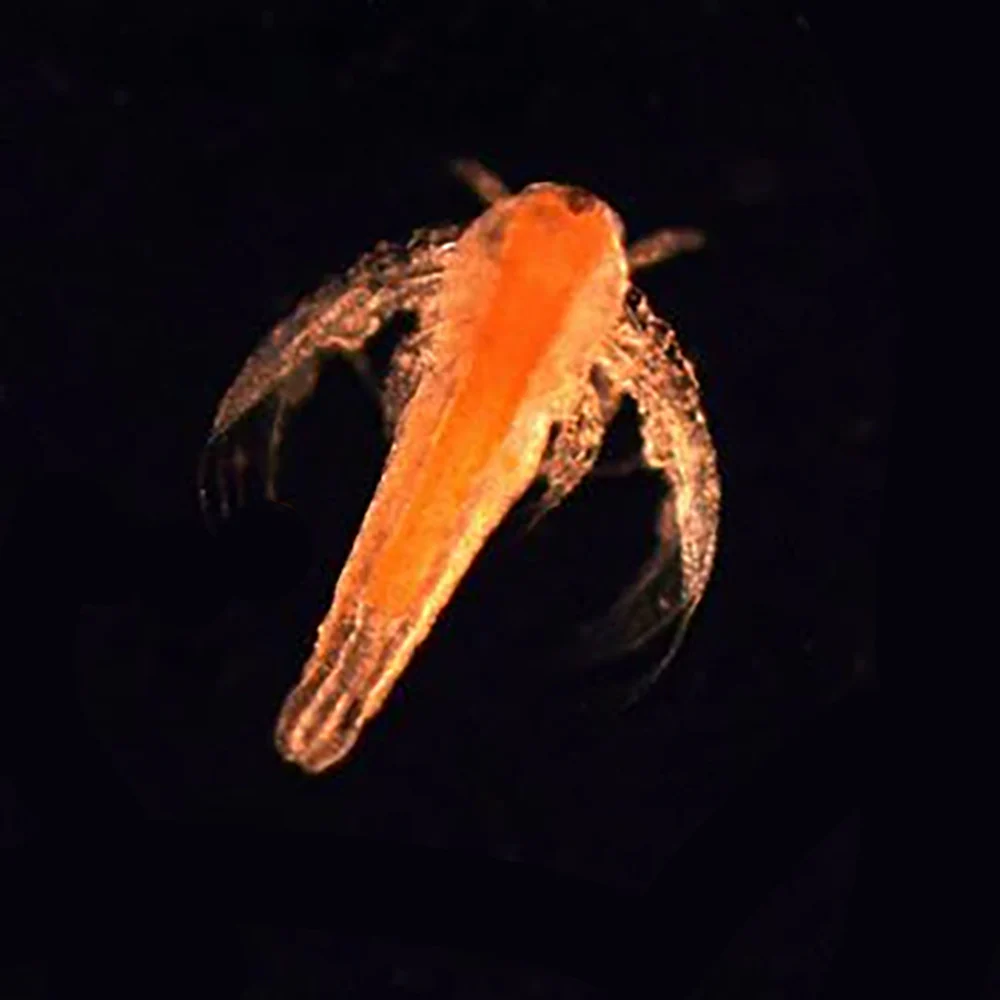
Apocyclops panamensis
Cyclopoid copepods have long been used in aquaculture, and Apocyclops panamensis is one of the more prominent species adopted for modern applications. It displays both surface-crawling behavior (similar to harpacticoids) and active swimming in the water column (like calanoids).
Adults frequently move between substrate and open water, feeding on suspended detritus, bacteria, ciliates, and microalgae. Because of their time in the water column, they are readily available to fish and corals—yet their rapid reproduction compensates for predation.
Although euryhaline, this species naturally prefers slightly lower salinity (1.015–1.020). It can survive at reef levels but may perform best in lagoon-style or mildly brackish systems. Its ability to graze suspended particles makes it an excellent complement to benthic specialists like Tisbe.
Original: $18.08
-65%$18.08
$6.33
Description
Apocyclops panamensis
Cyclopoid copepods have long been used in aquaculture, and Apocyclops panamensis is one of the more prominent species adopted for modern applications. It displays both surface-crawling behavior (similar to harpacticoids) and active swimming in the water column (like calanoids).
Adults frequently move between substrate and open water, feeding on suspended detritus, bacteria, ciliates, and microalgae. Because of their time in the water column, they are readily available to fish and corals—yet their rapid reproduction compensates for predation.
Although euryhaline, this species naturally prefers slightly lower salinity (1.015–1.020). It can survive at reef levels but may perform best in lagoon-style or mildly brackish systems. Its ability to graze suspended particles makes it an excellent complement to benthic specialists like Tisbe.