Chevron Tang (Ctenochaetus Hawaiiensis)
Chevron Tang (Ctenochaetus hawaiiensis)
The Chevron Tang, also known as the Hawaiian Bristletooth Tang or Black Surgeonfish, is a high-end "utility" fish that undergoes one of the most dramatic physical transformations in the marine world. While juveniles are sought after for their neon, psychedelic patterns, the adults are valued for their unparalleled ability to clean "film" algae and detritus from the glass and rockwork of a mature reef.
Key Information
-
Common Names: Chevron Tang, Hawaiian Bristletooth, Black Collector Tang
-
Scientific Name: Ctenochaetus hawaiiensis
-
Origin: Central Pacific (Hawaii, Micronesia, and Pitcairn Island)
-
Max Size: 25–28 cm (approx. 10–11 inches)
-
Lifespan: 8–12+ years
-
Temperament: Peaceful; relatively shy for a tang
-
Diet: Herbivore/Detritivore – Specialized "bristletooth" feeder
-
Care Level: Intermediate (Requires stable, mature water)
The Radical Transformation
The Chevron Tang is famous for its "Dr. Jekyll and Mr. Hyde" color shift:
-
Juvenile: A showstopper. Features a brilliant lava-orange body covered in an intricate maze of electric-blue "chevron" (V-shaped) lines. Even the fins show vibrant blue highlights.
-
Adult: The neon colors fade into a sophisticated, dark aesthetic. The adult becomes a deep olive-brown to charcoal black, covered in thousands of fine, horizontal yellowish-gray lines. At a distance, the fish looks solid black, but up close, it has a subtle, "velvety" texture.
Behaviour & Tank Compatibility
-
The Bristletooth Specialist: Members of the Ctenochaetus genus have specialized, comb-like teeth. Instead of biting chunks of macroalgae like a Sailfin Tang, they scrape film algae, diatoms, and detritus off the rocks and glass, leaving "kiss marks" behind.
-
Aggression: Generally very peaceful toward other fish. They may be bullied by more aggressive Acanthurus tangs (like the Powder Blue), so they should be added to the tank early to establish their territory.
-
Reef Safe: 100% Reef Safe. They are arguably the best tangs for a reef because they focus on nuisance films rather than nipping at corals or ornamental invertebrates.
-
Social Structure: Best kept singly. They will fight with their own kind or other similarly shaped Bristletooth tangs (like the Kole Tang) unless the tank is massive.
Ideal Tank Setup
-
Tank Size: A minimum of 380L–680L (100–180 Gallons) is required. While they are smaller as juveniles, they are active swimmers and need significant horizontal space to cruise.
-
Rockwork: Provide plenty of established live rock. They spend 90% of their day grazing, so a "sterile" tank with no algae or detritus will lead to starvation.
-
Water Quality: They are sensitive to high nitrates and low oxygen. A high-quality protein skimmer and strong water movement (to mimic reef surge zones) are essential.
-
Lid: Like all active reef fish, they can jump if startled. A secure lid is mandatory.
Dietary Needs
Standard flakes and pellets are often not enough for this specialist:
-
Natural Grazing: They rely heavily on the natural films growing in a mature tank.
-
Prepared Foods: Supplement with spirulina-enriched mysis, herbivore frozen rations, and high-quality pellets.
-
Nori: Provide dried seaweed (Nori) on a clip at least 3 times a week to ensure they receive adequate vitamins to prevent Head and Lateral Line Erosion (HLLE).
Why Choose the Chevron Tang?
The Chevron Tang is for the hobbyist who values functional elegance. While the juvenile coloration is what usually draws people in, the adult’s tireless work ethic in keeping the tank clean is what makes it a lifelong favorite. It is a "quiet" beauty—a hardy, peaceful, and incredibly effective cleaner that thrives in a well-maintained, high-volume reef system.
Description
Chevron Tang (Ctenochaetus hawaiiensis)
The Chevron Tang, also known as the Hawaiian Bristletooth Tang or Black Surgeonfish, is a high-end "utility" fish that undergoes one of the most dramatic physical transformations in the marine world. While juveniles are sought after for their neon, psychedelic patterns, the adults are valued for their unparalleled ability to clean "film" algae and detritus from the glass and rockwork of a mature reef.
Key Information
-
Common Names: Chevron Tang, Hawaiian Bristletooth, Black Collector Tang
-
Scientific Name: Ctenochaetus hawaiiensis
-
Origin: Central Pacific (Hawaii, Micronesia, and Pitcairn Island)
-
Max Size: 25–28 cm (approx. 10–11 inches)
-
Lifespan: 8–12+ years
-
Temperament: Peaceful; relatively shy for a tang
-
Diet: Herbivore/Detritivore – Specialized "bristletooth" feeder
-
Care Level: Intermediate (Requires stable, mature water)
The Radical Transformation
The Chevron Tang is famous for its "Dr. Jekyll and Mr. Hyde" color shift:
-
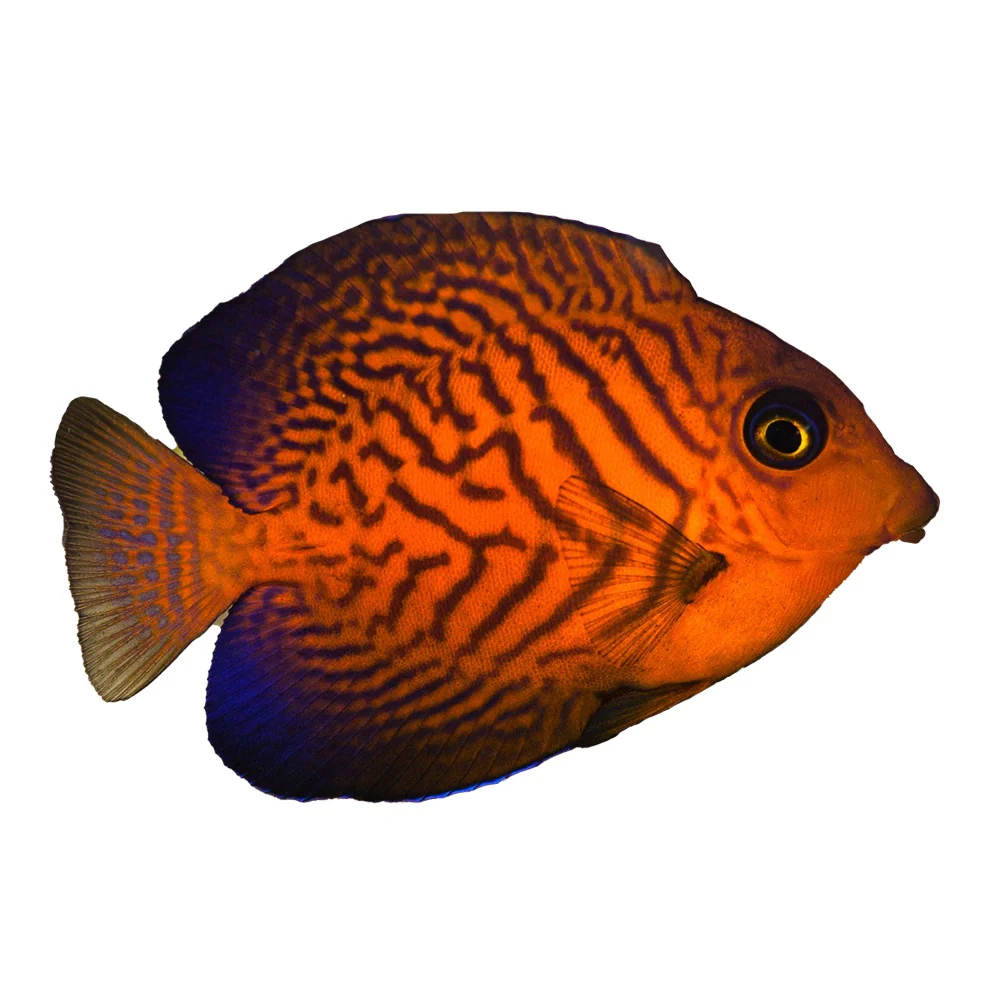
Juvenile: A showstopper. Features a brilliant lava-orange body covered in an intricate maze of electric-blue "chevron" (V-shaped) lines. Even the fins show vibrant blue highlights.
-
Adult: The neon colors fade into a sophisticated, dark aesthetic. The adult becomes a deep olive-brown to charcoal black, covered in thousands of fine, horizontal yellowish-gray lines. At a distance, the fish looks solid black, but up close, it has a subtle, "velvety" texture.
Behaviour & Tank Compatibility
-
The Bristletooth Specialist: Members of the Ctenochaetus genus have specialized, comb-like teeth. Instead of biting chunks of macroalgae like a Sailfin Tang, they scrape film algae, diatoms, and detritus off the rocks and glass, leaving "kiss marks" behind.
-
Aggression: Generally very peaceful toward other fish. They may be bullied by more aggressive Acanthurus tangs (like the Powder Blue), so they should be added to the tank early to establish their territory.
-
Reef Safe: 100% Reef Safe. They are arguably the best tangs for a reef because they focus on nuisance films rather than nipping at corals or ornamental invertebrates.
-
Social Structure: Best kept singly. They will fight with their own kind or other similarly shaped Bristletooth tangs (like the Kole Tang) unless the tank is massive.
Ideal Tank Setup
-
Tank Size: A minimum of 380L–680L (100–180 Gallons) is required. While they are smaller as juveniles, they are active swimmers and need significant horizontal space to cruise.
-
Rockwork: Provide plenty of established live rock. They spend 90% of their day grazing, so a "sterile" tank with no algae or detritus will lead to starvation.
-
Water Quality: They are sensitive to high nitrates and low oxygen. A high-quality protein skimmer and strong water movement (to mimic reef surge zones) are essential.
-
Lid: Like all active reef fish, they can jump if startled. A secure lid is mandatory.
Dietary Needs
Standard flakes and pellets are often not enough for this specialist:
-
Natural Grazing: They rely heavily on the natural films growing in a mature tank.
-
Prepared Foods: Supplement with spirulina-enriched mysis, herbivore frozen rations, and high-quality pellets.
-
Nori: Provide dried seaweed (Nori) on a clip at least 3 times a week to ensure they receive adequate vitamins to prevent Head and Lateral Line Erosion (HLLE).
Why Choose the Chevron Tang?
The Chevron Tang is for the hobbyist who values functional elegance. While the juvenile coloration is what usually draws people in, the adult’s tireless work ethic in keeping the tank clean is what makes it a lifelong favorite. It is a "quiet" beauty—a hardy, peaceful, and incredibly effective cleaner that thrives in a well-maintained, high-volume reef system.