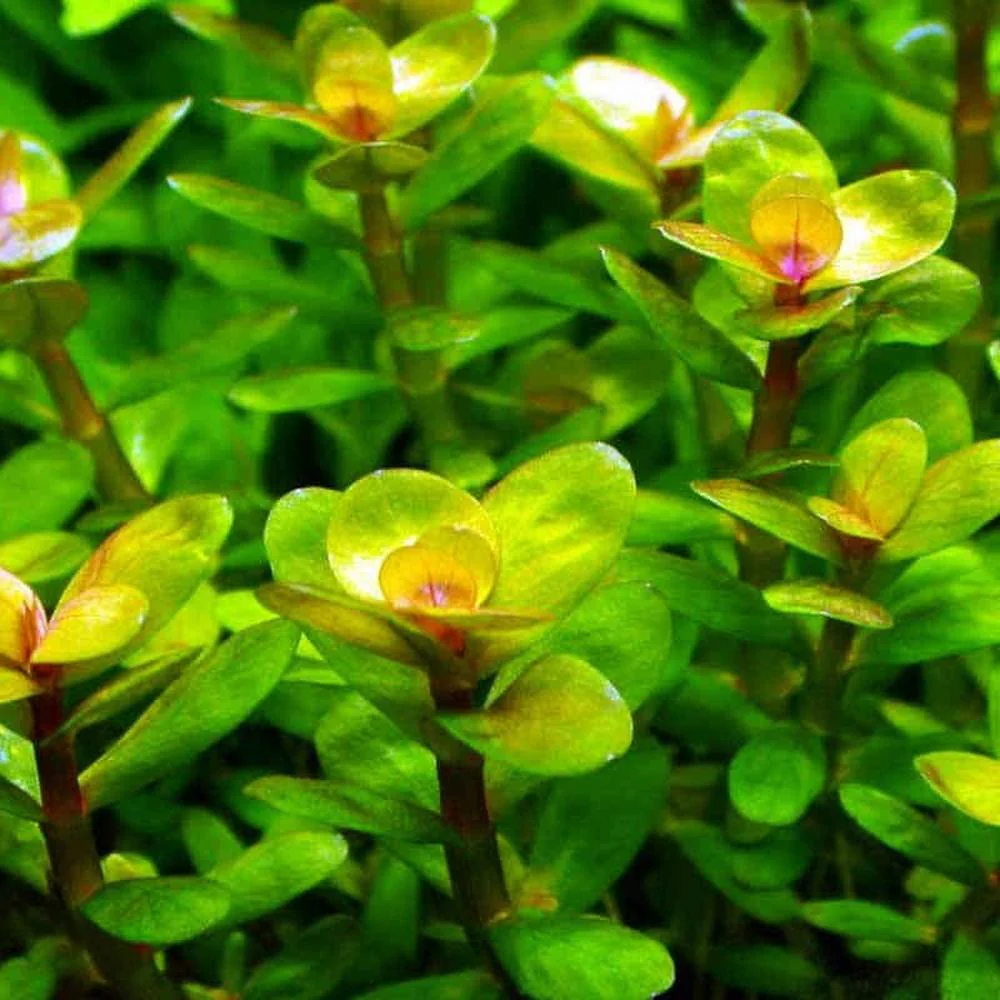
Cardinal Gold Striped (Ostorhinchus Cyanosoma)
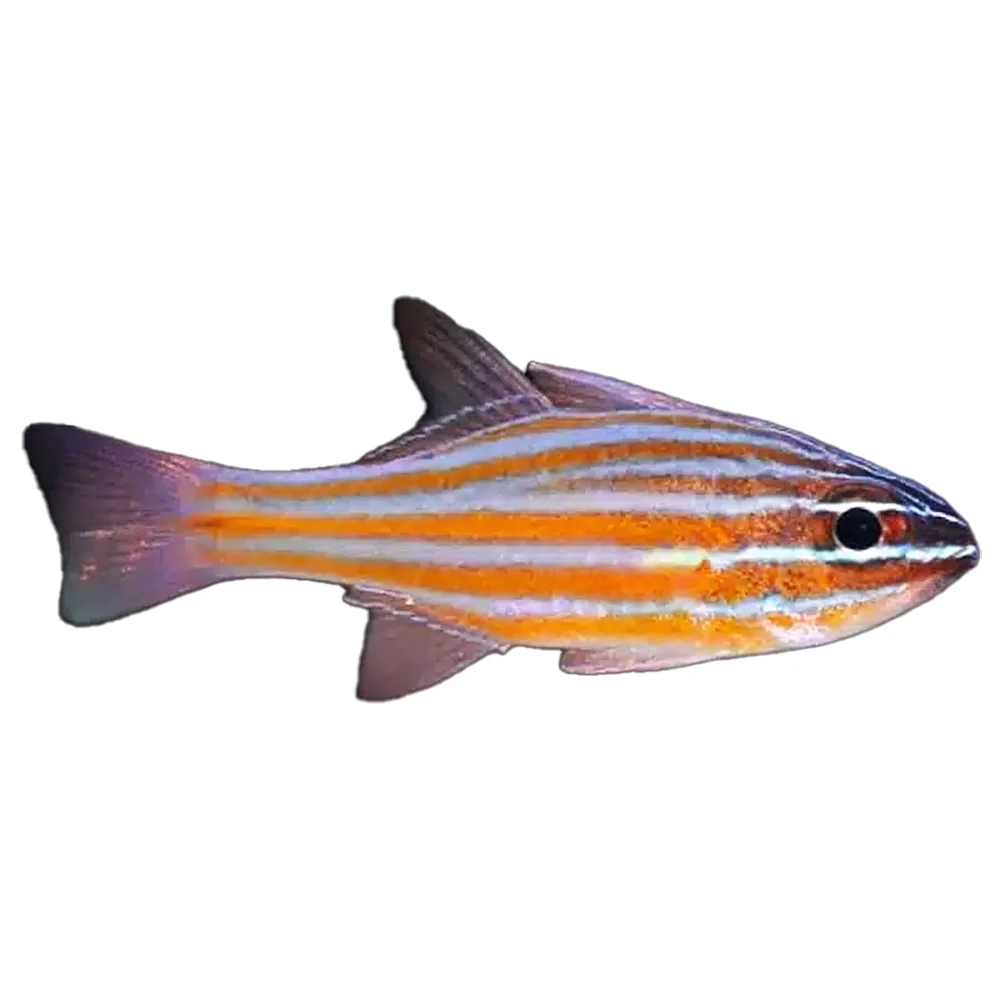
Gold Striped Cardinalfish (Ostorhinchus cyanosoma)
The Gold Striped Cardinalfish, also known as the Orange-lined Cardinalfish or Yellow-striped Cardinal, is a shimmering, peaceful schooling fish that adds a "warm glow" to the reef aquarium. Unlike many cardinalfish that are strictly nocturnal and hide during the day, this species is relatively active and visible, especially when kept in a group. They are prized for their metallic coloration and their fascinating "mouthbrooding" reproductive behavior.
Key Information
-
Common Names: Gold Striped Cardinal, Orange-lined Cardinal, Blue-eyed Cardinal
-
Scientific Name: Ostorhinchus cyanosoma (formerly Apogon cyanosoma)
-
Origin: Indo-Pacific (Red Sea to the Great Barrier Reef)
-
Max Size: 6–8 cm (approx. 3 inches)
-
Lifespan: 3–5 years
-
Temperament: Very Peaceful; shy and non-aggressive
-
Diet: Carnivore – Requires small, meaty foods
-
Care Level: Easy
Appearance & Identification
The Gold Striped Cardinalfish has a distinct, "pinstriped" look:
-
The Stripes: Features six brilliant orange-to-gold horizontal stripes that run the entire length of its silvery-blue iridescent body.
-
The Eyes: Large and expressive, often rimmed with a hint of neon blue or silver, which helps them see in lower light conditions.
-
Body Shape: It has the classic "split" dorsal fin characteristic of the cardinalfish family, with a sleek, slightly compressed profile.
Behaviour & Tank Compatibility
-
Schooling Nature: This fish thrives in groups of 5 or more. When kept in a shoal, they feel much more secure and will hover together in the mid-water column or near the protection of branching corals.
-
Mouthbrooders: They are famous for their parenting. The male will carry the fertilized eggs in his mouth for several days until they hatch, during which time he will not eat.
-
Reef Safe: 100% Reef Safe. They are a perfect choice for coral-heavy tanks as they will never nip at polyps or disturb sessile invertebrates.
-
Tank Mates: Must be kept with peaceful tank mates. They are easily bullied by aggressive fish like large Damsels, Dottybacks, or aggressive Wrasses. Excellent companions include Anthias, Firefish, and peaceful Gobies.
Ideal Tank Setup
-
Tank Size: A minimum of 75L–115L (20–30 Gallons) is recommended for a small shoal.
-
Rockwork & Corals: Provide plenty of live rock with crevices and overhangs. They love to "hang out" under ledges or within the branches of Acropora or Seriatopora corals.
-
Lighting: They prefer subdued to moderate lighting. If your reef is very bright, ensure there are shaded areas where the shoal can retreat.
-
Flow: They prefer gentle to moderate flow. They are not strong swimmers and can become exhausted if forced to fight heavy powerhead currents all day.
Dietary Needs
They have high metabolisms and are primarily planktivores:
-
Feeding Frequency: Feed 2 times daily.
-
Preferred Foods: Small meaty items like frozen mysis, enriched brine shrimp, copepods, and finely chopped seafood.
-
Dry Foods: They will usually accept high-quality marine flakes or small pellets once they are well-acclimated to the tank.
Description
Gold Striped Cardinalfish (Ostorhinchus cyanosoma)
The Gold Striped Cardinalfish, also known as the Orange-lined Cardinalfish or Yellow-striped Cardinal, is a shimmering, peaceful schooling fish that adds a "warm glow" to the reef aquarium. Unlike many cardinalfish that are strictly nocturnal and hide during the day, this species is relatively active and visible, especially when kept in a group. They are prized for their metallic coloration and their fascinating "mouthbrooding" reproductive behavior.
Key Information
-
Common Names: Gold Striped Cardinal, Orange-lined Cardinal, Blue-eyed Cardinal
-
Scientific Name: Ostorhinchus cyanosoma (formerly Apogon cyanosoma)
-
Origin: Indo-Pacific (Red Sea to the Great Barrier Reef)
-
Max Size: 6–8 cm (approx. 3 inches)
-
Lifespan: 3–5 years
-
Temperament: Very Peaceful; shy and non-aggressive
-
Diet: Carnivore – Requires small, meaty foods
-
Care Level: Easy
Appearance & Identification
The Gold Striped Cardinalfish has a distinct, "pinstriped" look:
-
The Stripes: Features six brilliant orange-to-gold horizontal stripes that run the entire length of its silvery-blue iridescent body.
-
The Eyes: Large and expressive, often rimmed with a hint of neon blue or silver, which helps them see in lower light conditions.
-
Body Shape: It has the classic "split" dorsal fin characteristic of the cardinalfish family, with a sleek, slightly compressed profile.
Behaviour & Tank Compatibility
-
Schooling Nature: This fish thrives in groups of 5 or more. When kept in a shoal, they feel much more secure and will hover together in the mid-water column or near the protection of branching corals.
-
Mouthbrooders: They are famous for their parenting. The male will carry the fertilized eggs in his mouth for several days until they hatch, during which time he will not eat.
-
Reef Safe: 100% Reef Safe. They are a perfect choice for coral-heavy tanks as they will never nip at polyps or disturb sessile invertebrates.
-
Tank Mates: Must be kept with peaceful tank mates. They are easily bullied by aggressive fish like large Damsels, Dottybacks, or aggressive Wrasses. Excellent companions include Anthias, Firefish, and peaceful Gobies.
Ideal Tank Setup
-
Tank Size: A minimum of 75L–115L (20–30 Gallons) is recommended for a small shoal.
-
Rockwork & Corals: Provide plenty of live rock with crevices and overhangs. They love to "hang out" under ledges or within the branches of Acropora or Seriatopora corals.
-
Lighting: They prefer subdued to moderate lighting. If your reef is very bright, ensure there are shaded areas where the shoal can retreat.
-
Flow: They prefer gentle to moderate flow. They are not strong swimmers and can become exhausted if forced to fight heavy powerhead currents all day.
Dietary Needs
They have high metabolisms and are primarily planktivores:
-
Feeding Frequency: Feed 2 times daily.
-
Preferred Foods: Small meaty items like frozen mysis, enriched brine shrimp, copepods, and finely chopped seafood.
-
Dry Foods: They will usually accept high-quality marine flakes or small pellets once they are well-acclimated to the tank.