Ram German Blue (Mikrogeophagus ramirezi)
German Blue Ram (Mikrogeophagus ramirezi "German")
The German Blue Ram is a premier color strain of the classic Ram Cichlid, meticulously bred for decades to achieve the most vibrant coloration possible. Characterized by its electric blue spangling, golden-yellow head, and bold black markings, this "jewelry of the aquarium" is a masterpiece of the hobby. These fish are not just beautiful; they are incredibly personably, often recognizing their owners and displaying complex social behaviors within their environment.
Key Information
-
Common Name: German Blue Ram, GBR, Electric Blue Ram
-
Scientific Name: Mikrogeophagus ramirezi
-
Origin: Selective bred (Lineage from Orinoco River Basin)
-
Max Size: 5–7 cm
-
Lifespan: 2–4 years
-
Temperament: Peaceful to Semi-peaceful
-
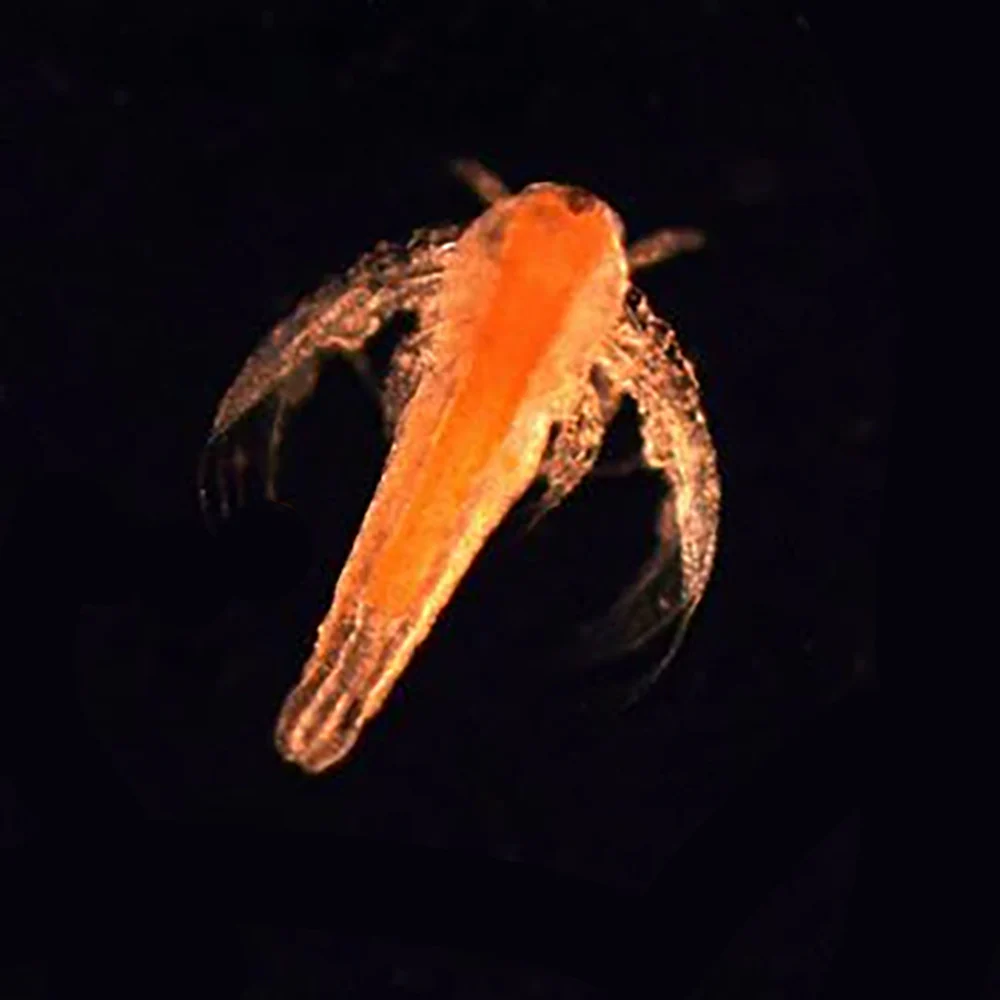
Diet: Omnivore – Thrives on high-protein pellets, frozen artemia, and bloodworms.
-
Care Level: Moderate (Sensitive to water fluctuations)
Water Parameters
| Parameter | Value |
| Temperature: | 26–30°C (Essential for metabolic health) |
| pH: | 5.5–6.8 |
| Hardness: | 3–12 dGH |
| Minimum Tank Size: | 60L+ |
Behaviour & Tank Compatibility
German Blue Rams are docile cichlids that spend most of their time in the lower-to-middle sections of the tank. They are best kept in established pairs. While peaceful, they are cichlids and will guard their "patch" during spawning. They are perfectly compatible with other warm-water peaceful species like Discus, Cardinal Tetras, and various Rasboras. Avoid keeping them with aggressive fin-nippers or fish that are much larger and more boisterous.
Ideal Tank Setup
-
Heat is Key: Maintain a stable temperature near 28°C; they are significantly more prone to illness in cooler water.
-
Soft Substrate: A sand or fine gravel bed is preferred as they like to sift through it for food.
-
Natural Shelters: Use a combination of driftwood, smooth river stones, and ceramic caves to create a secure habitat.
-
Botanicals: Adding Catappa leaves or peat can help lower pH and provide beneficial tannins that boost their immune system.
-
Live Plants: They love the cover provided by broad-leafed plants like Amazon Swords.

Description
German Blue Ram (Mikrogeophagus ramirezi "German")
The German Blue Ram is a premier color strain of the classic Ram Cichlid, meticulously bred for decades to achieve the most vibrant coloration possible. Characterized by its electric blue spangling, golden-yellow head, and bold black markings, this "jewelry of the aquarium" is a masterpiece of the hobby. These fish are not just beautiful; they are incredibly personably, often recognizing their owners and displaying complex social behaviors within their environment.
Key Information
-
Common Name: German Blue Ram, GBR, Electric Blue Ram
-
Scientific Name: Mikrogeophagus ramirezi
-
Origin: Selective bred (Lineage from Orinoco River Basin)
-
Max Size: 5–7 cm
-
Lifespan: 2–4 years
-
Temperament: Peaceful to Semi-peaceful
-
Diet: Omnivore – Thrives on high-protein pellets, frozen artemia, and bloodworms.
-
Care Level: Moderate (Sensitive to water fluctuations)
Water Parameters
| Parameter | Value |
| Temperature: | 26–30°C (Essential for metabolic health) |
| pH: | 5.5–6.8 |
| Hardness: | 3–12 dGH |
| Minimum Tank Size: | 60L+ |
Behaviour & Tank Compatibility
German Blue Rams are docile cichlids that spend most of their time in the lower-to-middle sections of the tank. They are best kept in established pairs. While peaceful, they are cichlids and will guard their "patch" during spawning. They are perfectly compatible with other warm-water peaceful species like Discus, Cardinal Tetras, and various Rasboras. Avoid keeping them with aggressive fin-nippers or fish that are much larger and more boisterous.
Ideal Tank Setup
-
Heat is Key: Maintain a stable temperature near 28°C; they are significantly more prone to illness in cooler water.
-
Soft Substrate: A sand or fine gravel bed is preferred as they like to sift through it for food.
-
Natural Shelters: Use a combination of driftwood, smooth river stones, and ceramic caves to create a secure habitat.
-
Botanicals: Adding Catappa leaves or peat can help lower pH and provide beneficial tannins that boost their immune system.
-
Live Plants: They love the cover provided by broad-leafed plants like Amazon Swords.