Ram Blue Balloon (Mikrogeophagus ramirezi)
Balloon Ram Cichlid (Mikrogeophagus ramirezi var. "Balloon")
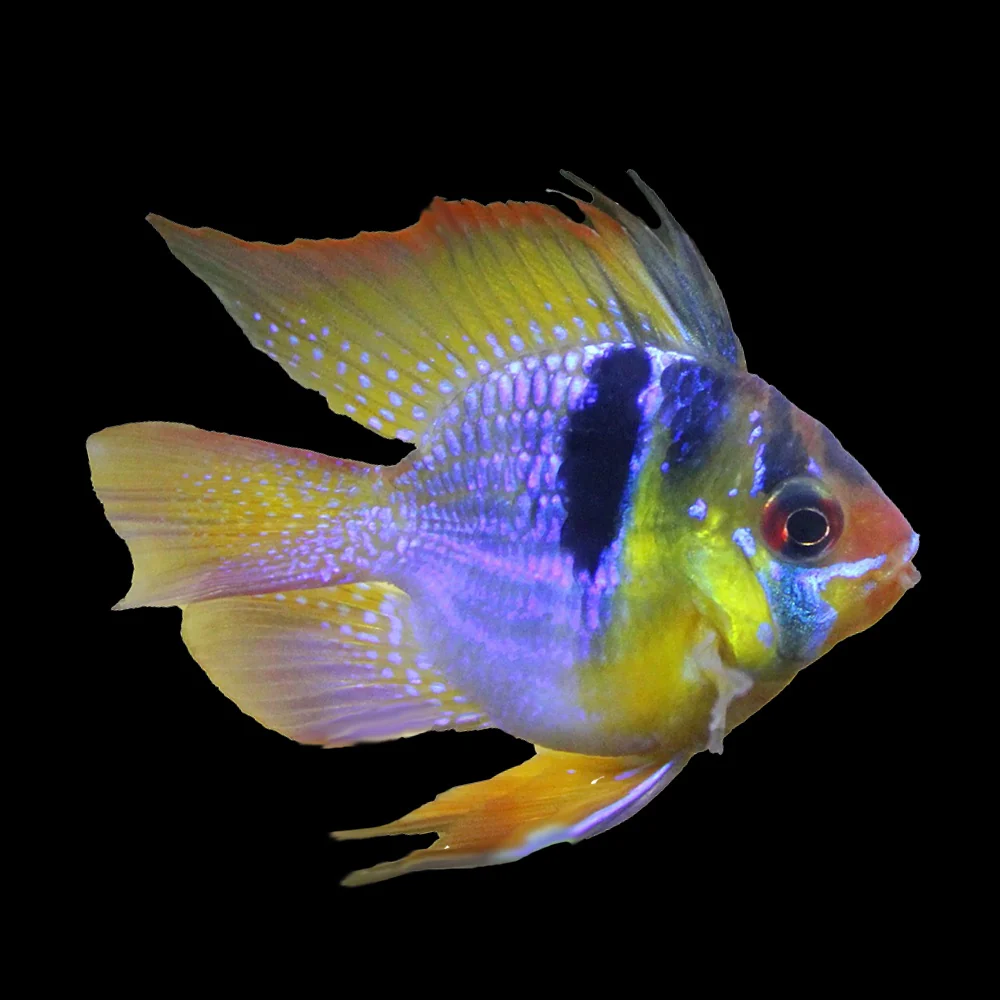
The Balloon Ram is a colorful and charismatic dwarf cichlid that stands out due to its distinct, spherical body shape. This variety was developed to highlight the brilliant iridescence of the species in a more compact form. With their curious nature and bright, multi-colored scales, Balloon Rams are often the "stars" of a tropical tank, moving with a unique hovering swimming style that is a delight to watch.
Key Information
-
Common Name: Balloon Ram, Balloon Blue Ram
-
Scientific Name: Mikrogeophagus ramirezi
-
Origin: Selective bred (Ancestry from South America)
-
Max Size: 4–5 cm
-
Lifespan: 2–3 years
-
Temperament: Peaceful (Territorial during spawning)
-
Diet: Omnivore – enjoys high-quality flakes, sinking pellets, and frozen bloodworms.
-
Care Level: Moderate (Requires very stable water conditions)
Water Parameters
| Parameter | Value |
| Temperature: | 26–30°C (Prefers warmer water) |
| pH: | 5.5–7.0 |
| Hardness: | 2–10 dGH |
| Minimum Tank Size: | 40L+ |
Behaviour & Tank Compatibility
Balloon Rams are peaceful and social fish that generally do well in community tanks. They are less aggressive than many other cichlids, though they will defend a small territory if they form a pair. They are best kept with other peaceful, warm-water species such as Rummy Nose Tetras, Cardinal Tetras, and Sterbai Corydoras. Because of their body shape, they are slower swimmers, so avoid housing them with very aggressive or fast-moving nippy fish.
Ideal Tank Setup
-
Stable Warm Water: They are sensitive to temperature fluctuations; a reliable heater is essential.
-
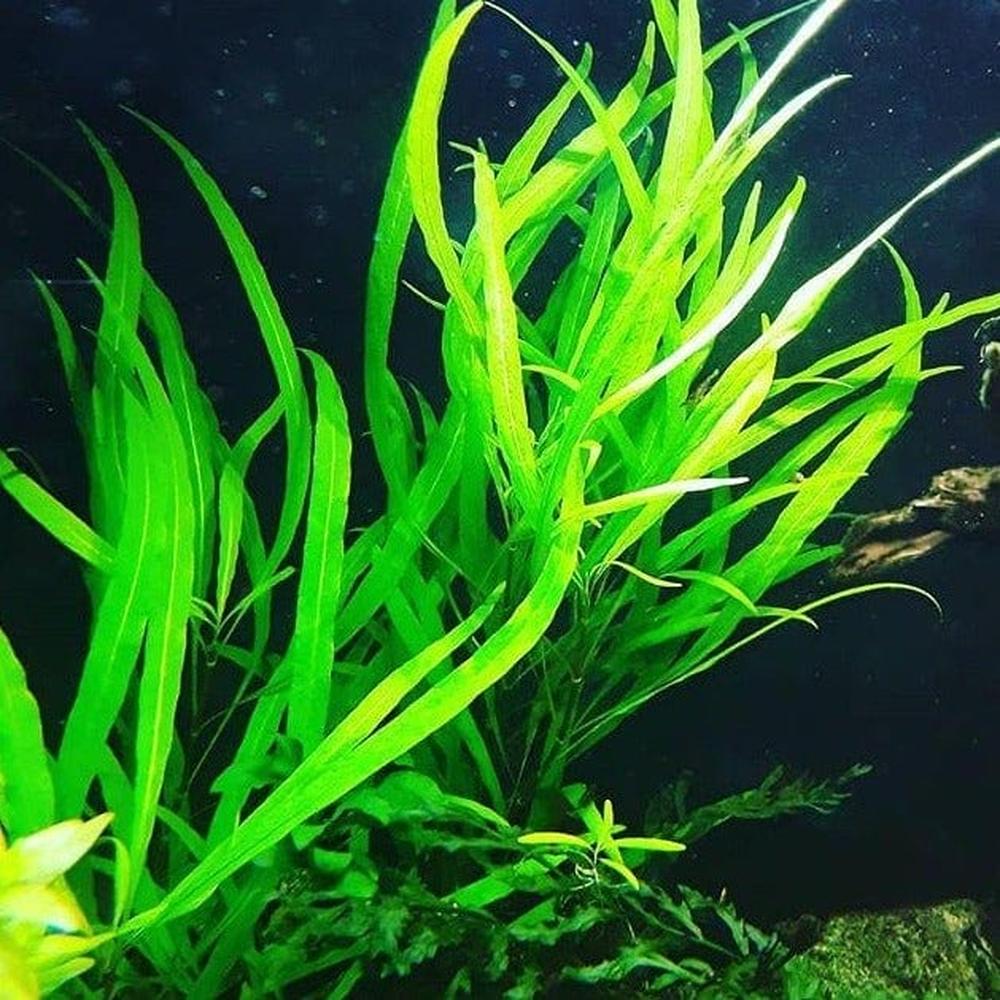
Dense Planting: They enjoy the security of live plants like Java Fern and Amazon Swords.
-
Smooth Stones & Caves: Provide flat stones or small caves, as these are preferred sites for egg-laying.
-
Fine Substrate: Sand or smooth gravel is best to protect their delicate ventral fins.
-
Excellent Filtration: They require pristine water with low nitrates; regular water changes are a must for their health.
Description
Balloon Ram Cichlid (Mikrogeophagus ramirezi var. "Balloon")
The Balloon Ram is a colorful and charismatic dwarf cichlid that stands out due to its distinct, spherical body shape. This variety was developed to highlight the brilliant iridescence of the species in a more compact form. With their curious nature and bright, multi-colored scales, Balloon Rams are often the "stars" of a tropical tank, moving with a unique hovering swimming style that is a delight to watch.
Key Information
-
Common Name: Balloon Ram, Balloon Blue Ram
-
Scientific Name: Mikrogeophagus ramirezi
-
Origin: Selective bred (Ancestry from South America)
-
Max Size: 4–5 cm
-
Lifespan: 2–3 years
-
Temperament: Peaceful (Territorial during spawning)
-
Diet: Omnivore – enjoys high-quality flakes, sinking pellets, and frozen bloodworms.
-
Care Level: Moderate (Requires very stable water conditions)
Water Parameters
| Parameter | Value |
| Temperature: | 26–30°C (Prefers warmer water) |
| pH: | 5.5–7.0 |
| Hardness: | 2–10 dGH |
| Minimum Tank Size: | 40L+ |
Behaviour & Tank Compatibility
Balloon Rams are peaceful and social fish that generally do well in community tanks. They are less aggressive than many other cichlids, though they will defend a small territory if they form a pair. They are best kept with other peaceful, warm-water species such as Rummy Nose Tetras, Cardinal Tetras, and Sterbai Corydoras. Because of their body shape, they are slower swimmers, so avoid housing them with very aggressive or fast-moving nippy fish.
Ideal Tank Setup
-
Stable Warm Water: They are sensitive to temperature fluctuations; a reliable heater is essential.
-
Dense Planting: They enjoy the security of live plants like Java Fern and Amazon Swords.
-
Smooth Stones & Caves: Provide flat stones or small caves, as these are preferred sites for egg-laying.
-
Fine Substrate: Sand or smooth gravel is best to protect their delicate ventral fins.
-
Excellent Filtration: They require pristine water with low nitrates; regular water changes are a must for their health.