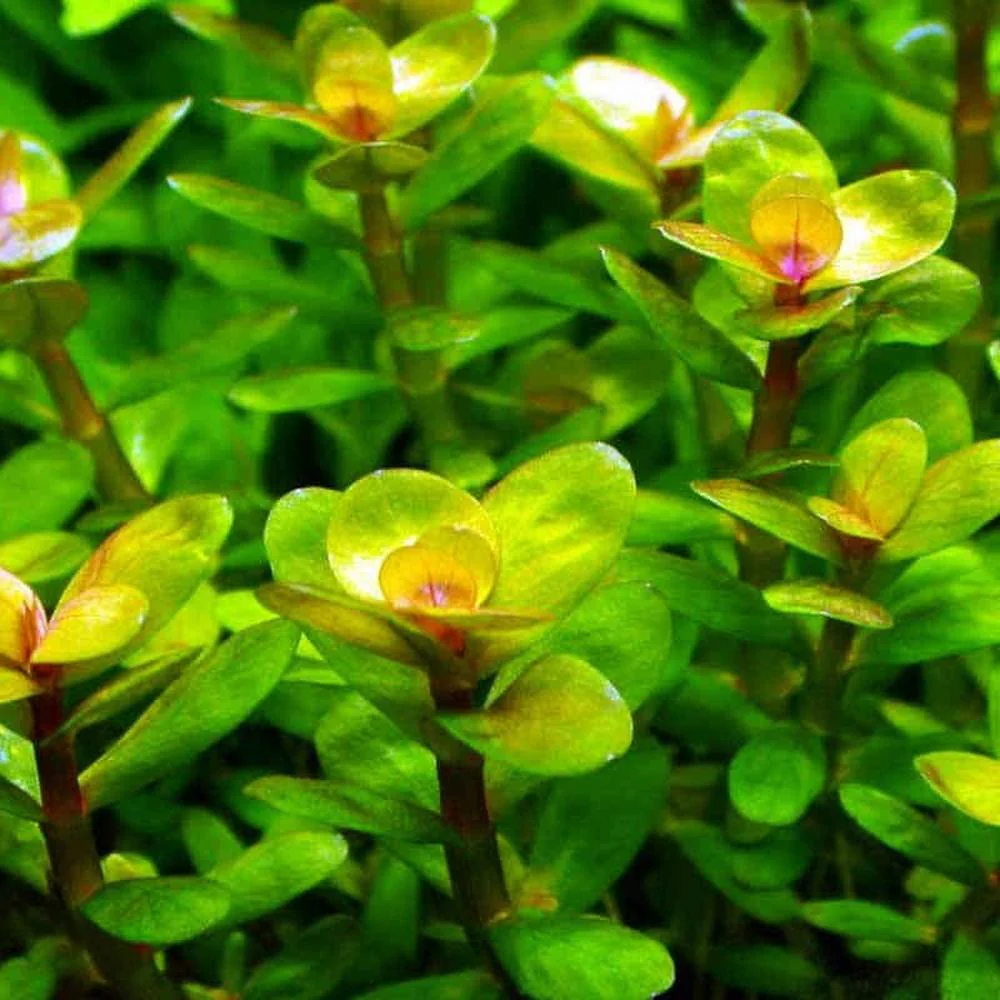
Apistogramma Agassizi Fire Red
Fire Red Agassizii (Apistogramma agassizii "Fire Red")
The "Fire Red" Agassizii is a breathtaking color morph of the classic Agassiz's Dwarf Cichlid. It is highly sought after for its intense, fiery red-orange coloration on the dorsal and caudal fins, which contrasts beautifully against its sleek, iridescent body. Native to the slow-moving "blackwater" tributaries of the Amazon, this species brings both vibrant color and fascinating social intelligence to a specialized community or biotope aquarium.
Key Information
-
Common Name: Fire Red Agassizii, Fire Red Apisto
-
Scientific Name: Apistogramma agassizii (Fire Red morph)
-
Origin: South America (Amazon Basin)
-
Max Size: Males up to 8 cm | Females up to 5 cm
-
Lifespan: 3–5 years
-
Temperament: Peaceful (Territorial during breeding)
-
Diet: Omnivore with carnivorous leanings – enjoys high-quality pellets, frozen daphnia, and brine shrimp
-
Care Level: Moderate (Requires stable water conditions)
Water Parameters
| Parameter | Value |
| Temperature: | 24–28°C |
| pH: | 5.5–7.0 (Slightly acidic is best) |
| Hardness: | 2–12 dGH (Prefers soft water) |
| Minimum Tank Size: | 60L+ (Long tanks are better than tall) |
Behaviour & Tank Compatibility
Apistogramma Agassizii are generally peaceful bottom-dwellers that thrive in pairs or harems (one male with multiple females). While they are calm towards other species, males can be territorial toward each other. Ideal tank mates include small tetras, rasboras, and peaceful catfish like Corydoras. They are "cave spawners," so the female will fiercely guard her chosen nook once eggs are laid.
Ideal Tank Setup
-
Abundant Hiding Spots: Use coconut caves, ceramic pots, or driftwood to provide essential nesting sites.
-
Soft Substrate: Fine sand is highly recommended as they enjoy sifting through it for food.
-
Leaf Litter: Adding dried Catappa leaves mimics their natural habitat and releases beneficial tannins.
-
Low to Moderate Flow: They prefer calm water, so avoid high-powered filters that create strong currents.
-
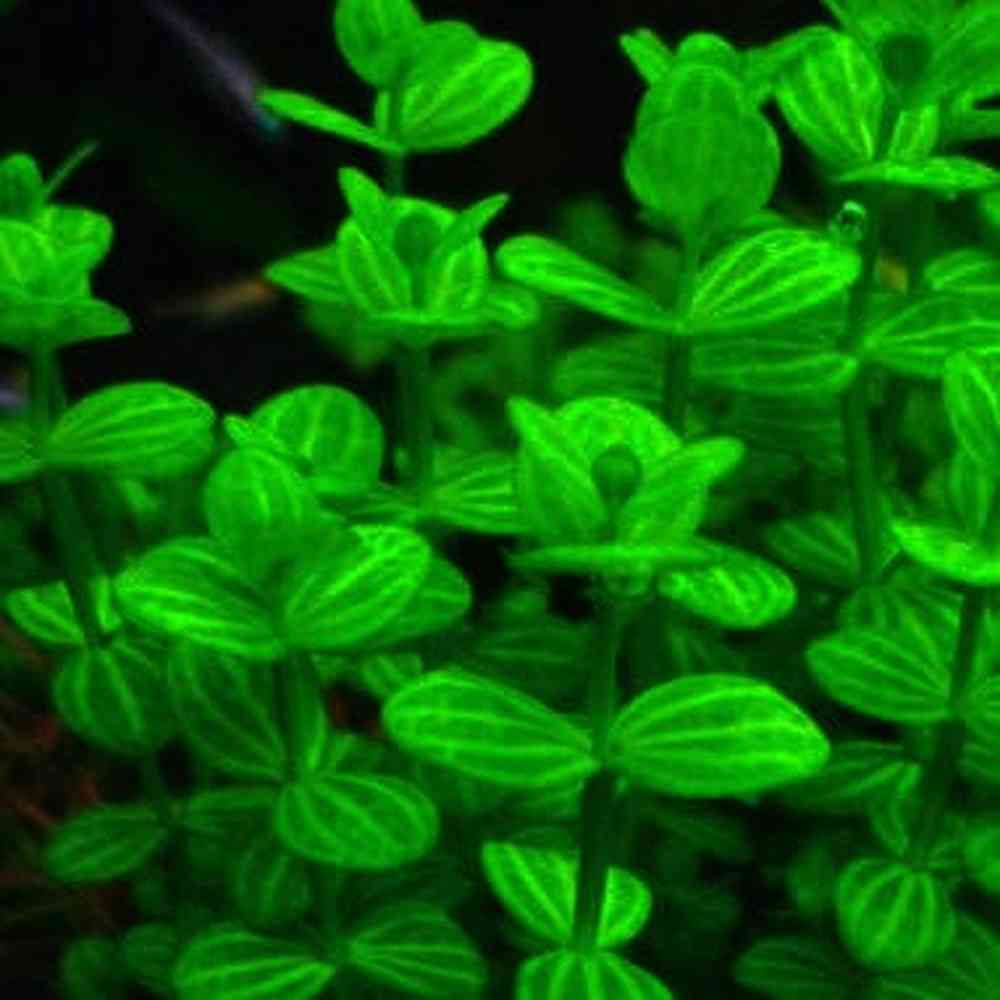
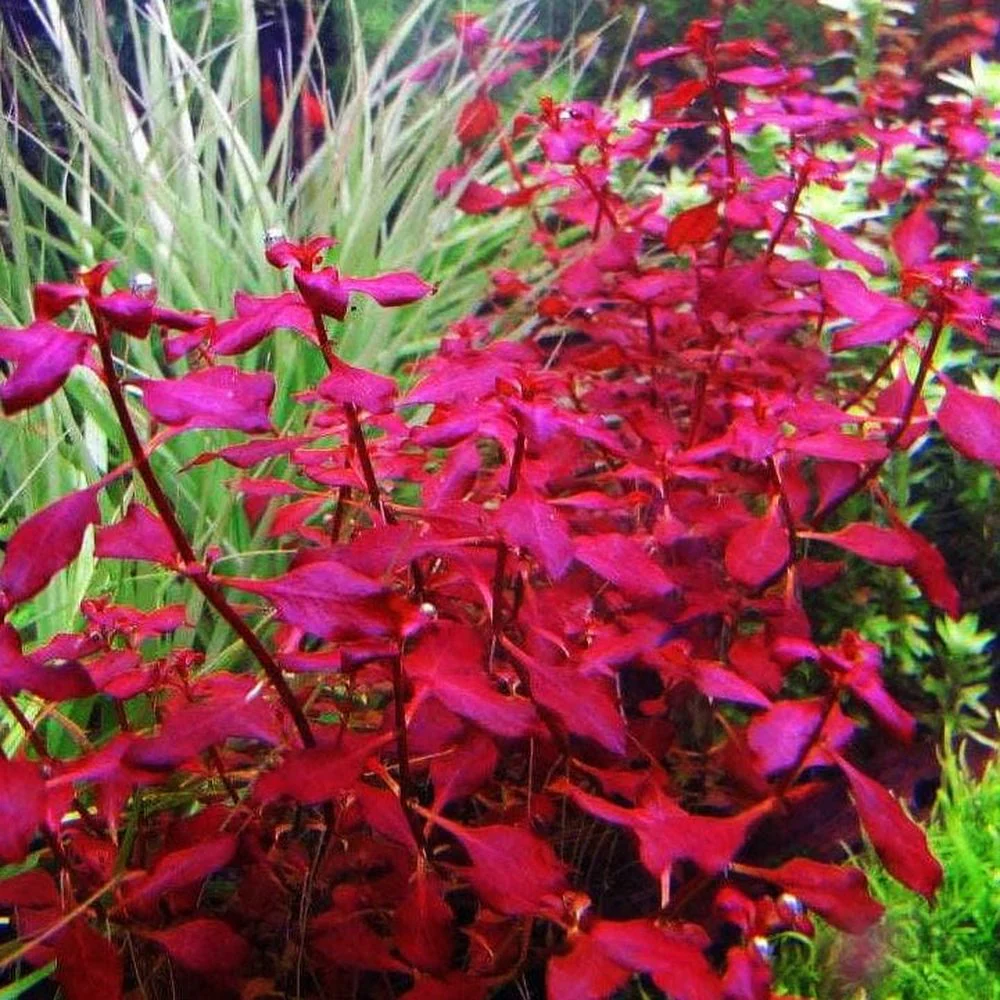
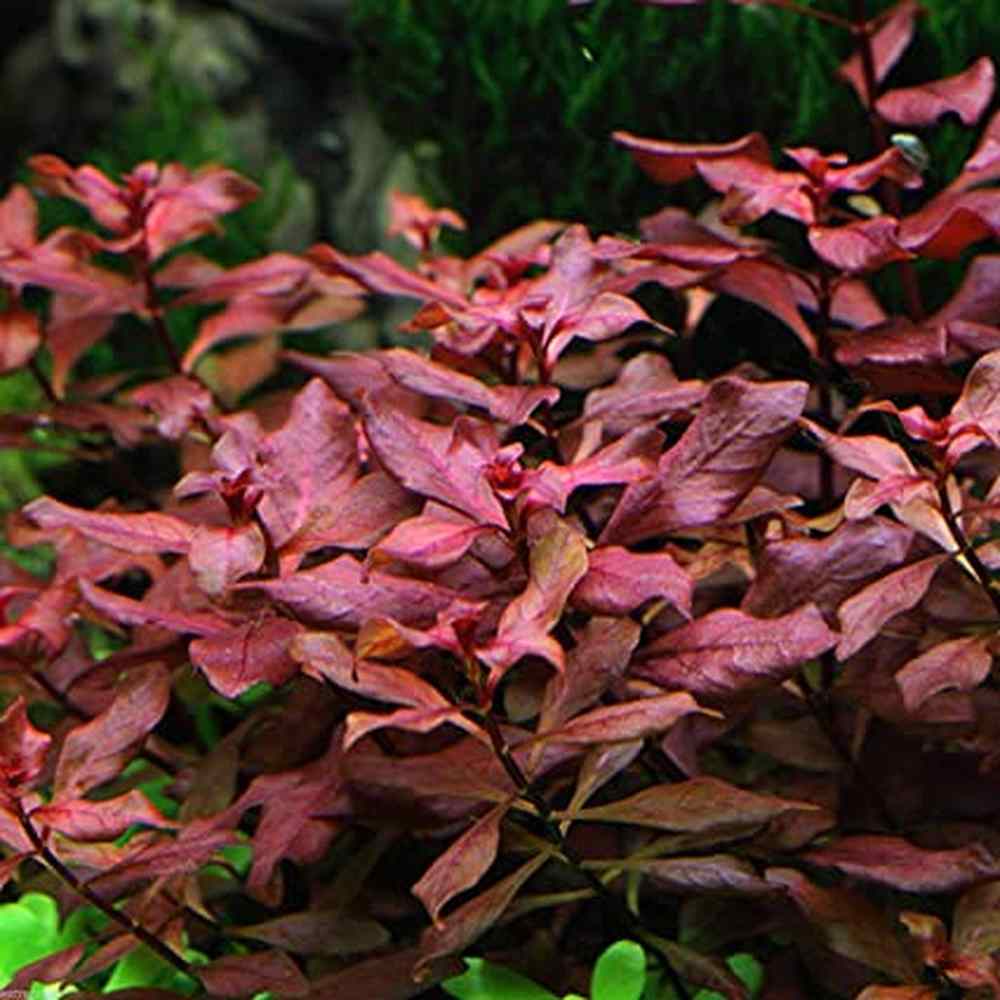
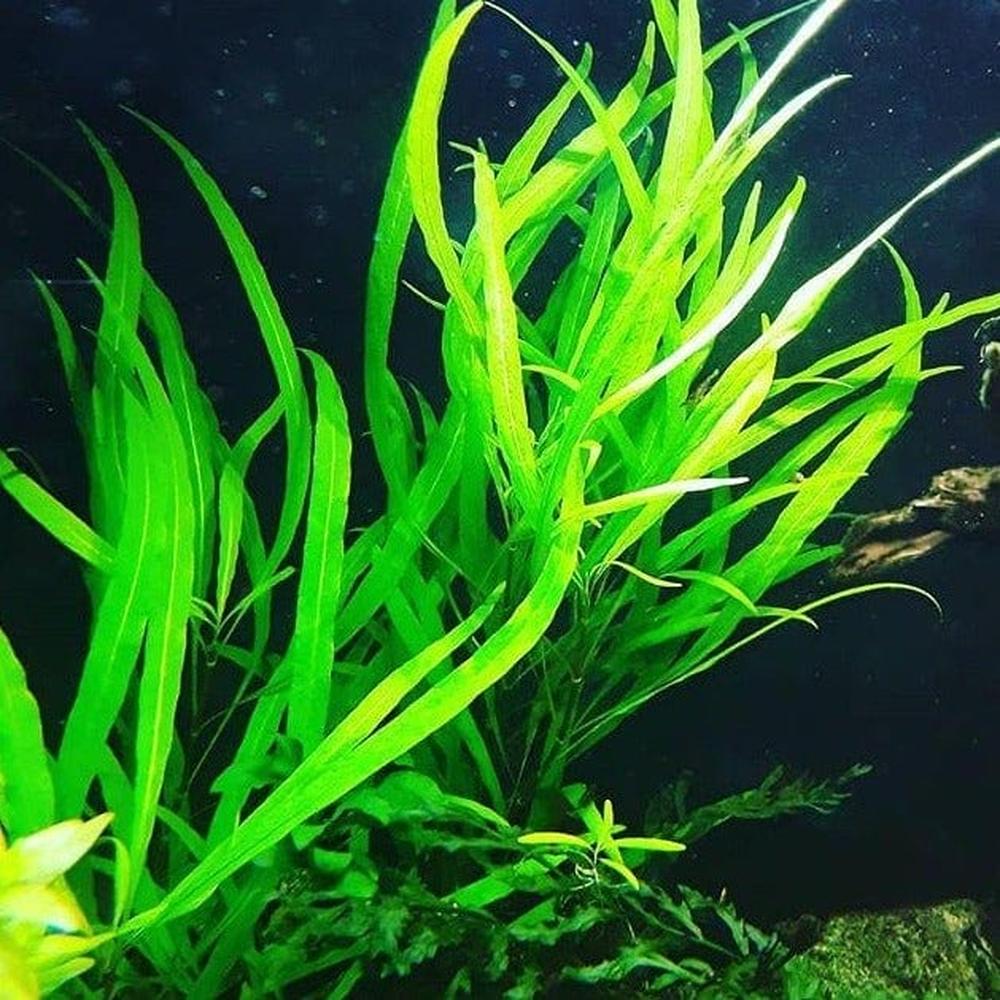
Densely Planted: They feel most secure in well-planted tanks with floating plants to dim the light.
Original: $39.78
-65%$39.78
$13.92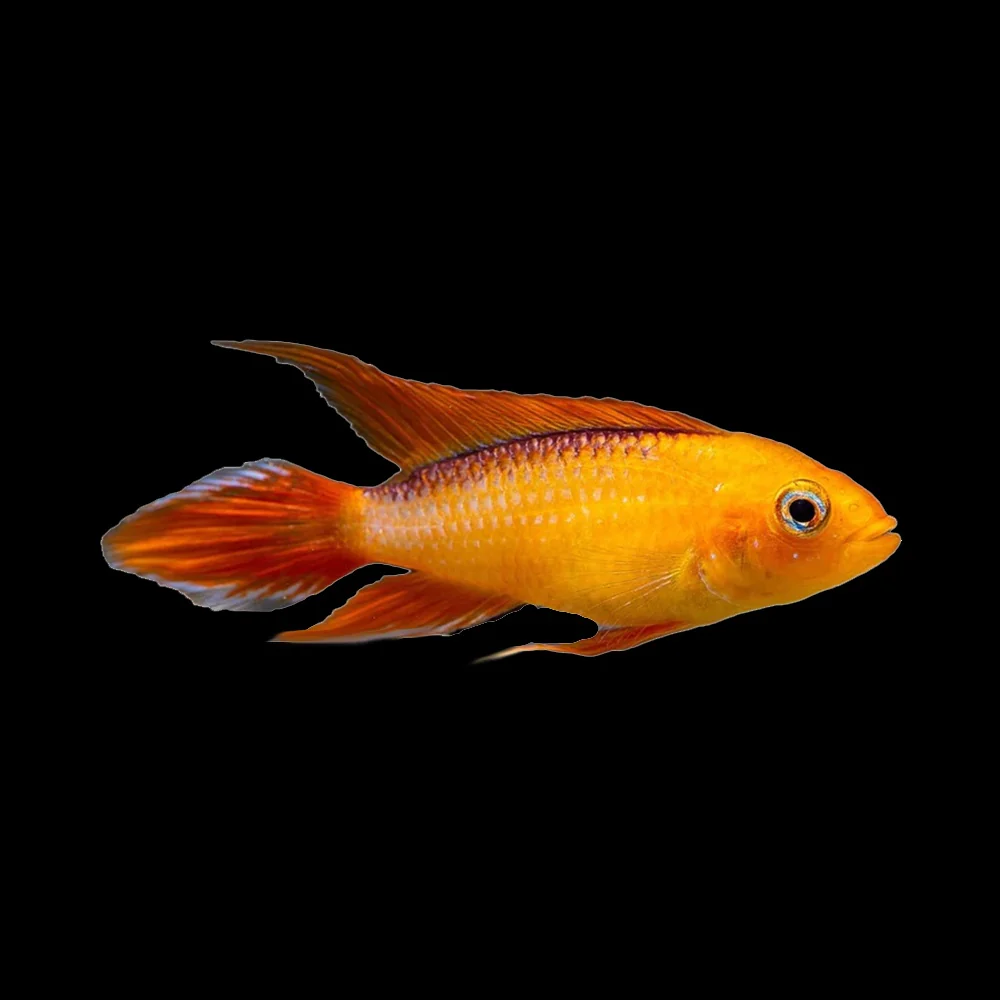
Description
Fire Red Agassizii (Apistogramma agassizii "Fire Red")
The "Fire Red" Agassizii is a breathtaking color morph of the classic Agassiz's Dwarf Cichlid. It is highly sought after for its intense, fiery red-orange coloration on the dorsal and caudal fins, which contrasts beautifully against its sleek, iridescent body. Native to the slow-moving "blackwater" tributaries of the Amazon, this species brings both vibrant color and fascinating social intelligence to a specialized community or biotope aquarium.
Key Information
-
Common Name: Fire Red Agassizii, Fire Red Apisto
-
Scientific Name: Apistogramma agassizii (Fire Red morph)
-
Origin: South America (Amazon Basin)
-
Max Size: Males up to 8 cm | Females up to 5 cm
-
Lifespan: 3–5 years
-
Temperament: Peaceful (Territorial during breeding)
-
Diet: Omnivore with carnivorous leanings – enjoys high-quality pellets, frozen daphnia, and brine shrimp
-
Care Level: Moderate (Requires stable water conditions)
Water Parameters
| Parameter | Value |
| Temperature: | 24–28°C |
| pH: | 5.5–7.0 (Slightly acidic is best) |
| Hardness: | 2–12 dGH (Prefers soft water) |
| Minimum Tank Size: | 60L+ (Long tanks are better than tall) |
Behaviour & Tank Compatibility
Apistogramma Agassizii are generally peaceful bottom-dwellers that thrive in pairs or harems (one male with multiple females). While they are calm towards other species, males can be territorial toward each other. Ideal tank mates include small tetras, rasboras, and peaceful catfish like Corydoras. They are "cave spawners," so the female will fiercely guard her chosen nook once eggs are laid.
Ideal Tank Setup
-
Abundant Hiding Spots: Use coconut caves, ceramic pots, or driftwood to provide essential nesting sites.
-
Soft Substrate: Fine sand is highly recommended as they enjoy sifting through it for food.
-
Leaf Litter: Adding dried Catappa leaves mimics their natural habitat and releases beneficial tannins.
-
Low to Moderate Flow: They prefer calm water, so avoid high-powered filters that create strong currents.
-
Densely Planted: They feel most secure in well-planted tanks with floating plants to dim the light.